One-sided pelvic pain, pressure, bloating, painful sex or frequent urination can make walking, sitting, exercising and working difficult, but those symptoms do not identify the cause on their own. By the end, you will know which warning signs need urgent care, how clinicians assess a suspected cyst, and how each treatment option can affect comfort, recovery and fertility.
Key takeaways
- Track pain, bloating, bleeding and urinary changes before your appointment.
- Ultrasound findings, symptoms and age help identify the cyst type.
- Monitoring or medication can relieve symptoms when the cyst is uncomplicated.
- Discuss a procedure when pain persists, the cyst grows or complications arise.
Which ovarian cyst symptoms are disrupting your daily comfort?
One-sided pelvic pain can make walking, sitting, climbing stairs or exercising uncomfortable. Abdominal pressure and bloating may make clothes feel tight, while urinary frequency can interrupt work, sleep and travel. Pain during sex and painful periods can affect relationships and routine activities.
Stable, mild symptoms still need assessment if they persist; ovarian cyst symptoms relief depends on identifying the cause.
| Pattern | What it can mean | What to do |
|---|---|---|
| Stable, mild pain, pressure, bloating, painful periods or urinary frequency | A cyst is possible, but symptoms can overlap with other conditions | Arrange a clinical assessment rather than self-diagnosing |
| Sudden severe pelvic pain with nausea or vomiting, fainting, marked dizziness, fever, heavy bleeding, shoulder pain or repeated vomiting | Possible torsion, rupture, internal bleeding or infection | Seek emergency assessment now, not a routine appointment |
Similar symptoms can come from fibroids, endometriosis, polycystic ovary syndrome (PCOS), urinary infection or stones, gastrointestinal problems, or pregnancy-related pain. A cyst can twist the ovary and reduce its blood supply, while rupture can cause bleeding; waiting for over-the-counter pain relief to work can delay treatment.
Pregnancy-related pain also requires prompt assessment because an ectopic pregnancy is an emergency. Symptoms alone cannot identify the cyst type, so a clinician may need to review your menstrual and pregnancy history and arrange pelvic imaging.
How do clinicians determine which type of cyst you have?
Clinicians identify a cyst by combining your menstrual and pregnancy history, medication review, personal and family history of cancer, and symptoms. They may perform a pelvic examination when appropriate, then use a transvaginal ultrasound or abdominal ultrasound to locate and characterise the mass.
| Cyst type | Typical ultrasound or clinical pattern | Usual significance |
|---|---|---|
| Functional cyst | Simple, fluid-filled cyst before menopause | Often resolves without treatment over several weeks |
| Endometrioma | Cyst associated with endometriosis and persistent pelvic pain | Needs follow-up and treatment planning |
| Dermoid cyst | Contains fat or other tissue, creating mixed ultrasound appearances | Usually does not disappear and may need closer review |
| Cystadenoma | Fluid-filled cyst that can become large or complex | Follow size, symptoms and imaging features carefully |
Ultrasound assessment includes size, simple or complex appearance, solid areas, septations, wall thickness, wall irregularity and blood flow. Clinicians also compare scans over time: growth or a changing appearance can alter the plan. Ultrasound cannot prove that every complex mass is benign.
After menopause, a new ovarian cyst receives more cautious assessment because the same measurement carries different significance. Clinicians may combine the scan with CA-125 and other clinical risk factors, including symptoms and cancer history. CA-125 alone cannot diagnose ovarian cancer because benign conditions can also raise it.
Ask for ovarian cyst care in Mumbai that explains these findings and gives you a written follow-up plan.
When can monitoring or medication improve comfort without surgery?
For a small, simple-appearing cyst, monitoring means a clinician sets a follow-up interval rather than leaving you without a plan. A repeat transvaginal or abdominal ultrasound checks whether the cyst is shrinking, unchanged or enlarging. A functional cyst often resolves over several weeks, so planned observation can prevent an unnecessary operation.
Keep a record until review:
- Pain: location, severity, duration and whether it affects walking, sitting or exercise
- Bleeding: heavier periods, bleeding between periods or after sex
- Bloating, abdominal pressure or increasing waist tightness
- Urinary frequency, bowel pressure and pain during sex
- Activities you stop or modify because of symptoms
Ask what change should trigger an earlier review. A written plan makes monitoring safer and gives you a clear route to urgent care instead of waiting for the scheduled scan.
Pain medicine must match the possibility of pregnancy, other illnesses and your current medicines. Check with a clinician or pharmacist before taking or combining analgesics; do not self-medicate for persistent or worsening pain. The goal of ovarian cyst symptoms relief is to treat discomfort without masking a complication.
Hormonal contraception can regulate bleeding and reduce new functional cyst formation for selected patients by suppressing ovulation. It does not reliably shrink an existing cyst or treat endometriomas, dermoid cysts or every other cyst type.
Seek urgent care for severe or rapidly worsening pain, fainting, marked dizziness, fever, heavy bleeding, repeated vomiting or sudden weakness. These symptoms need prompt assessment for torsion, rupture, bleeding or infection, including during ovarian cyst care in Mumbai.
When does a procedure provide better relief than continued observation?
Continued observation stops being the better choice when pain or pressure continues, the cyst persists or enlarges, or ultrasound shows complex features. Surgery also becomes more likely when the mass requires definitive assessment because of possible cancer risk.
| Option | Main purpose | Important limitation |
|---|---|---|
| Drainage | Removes fluid from a selected cyst | The cyst can refill, so drainage is not automatically a lasting solution |
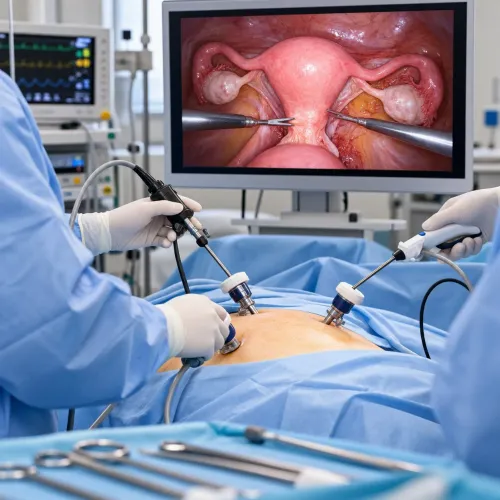
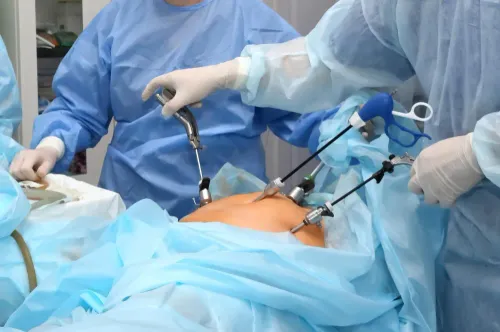
| Laparoscopic cystectomy | Removes the cyst through small abdominal incisions while aiming to preserve the ovary | It may not suit a very large, complex or potentially cancerous mass |
| Open surgery | Removes a large or concerning mass through a larger abdominal incision | Recovery is usually longer, but it can reduce rupture risk and allow appropriate cancer staging |
Removing a cyst can ease recurrent pain, pelvic pressure and limits on walking, sitting or exercise. Relief is not guaranteed when endometriosis, fibroids, pelvic infection or another condition causes the pain.
Before choosing surgery, discuss these decisions:
- Ask whether cystectomy can preserve ovarian tissue and how the operation could affect ovarian reserve.
- Tell the surgeon if you hope to become pregnant, especially before treatment for an endometrioma or surgery involving both ovaries.
- Compare the expected comfort benefit with incision size, recovery time and the risk of cyst rupture.
- For ovarian cyst treatment benefits in Mumbai, choose care that explains the imaging, procedure choice and follow-up plan rather than offering pain tablets alone.
What should you expect from complete ovarian cyst care in Mumbai?
Complete care means you leave with more than pain relief: you know what the cyst looks like, what happens next, and where to go if symptoms suddenly worsen.
- Appropriate pelvic imaging, usually transvaginal or abdominal ultrasound when suitable
- The cyst’s size, location and appearance, including whether it is simple, complex, solid, septated or changing
- A written repeat-imaging or review interval, rather than “return if needed”
- Pregnancy assessment when your symptoms, menstrual history or pregnancy possibility make it relevant
- A discussion of fertility goals before medication, monitoring or surgery
- A named route to urgent hospital care for torsion, rupture, heavy bleeding, fainting, fever or severe worsening pain
| Complete pathway | Symptom-only service | Why it matters |
|---|---|---|
| Imaging and explanation | Pain tablets without characterisation | Treatment cannot be matched to the cyst or another cause of pain |
| Written follow-up plan | No review date | Growth or persistent symptoms can go unnoticed |
| Emergency pathway | Routine appointment only | Torsion or internal bleeding can threaten health and ovarian tissue |
For people comparing ovarian cyst treatment benefits in Mumbai, this checklist is more useful than choosing a service solely for symptom relief or a proposed procedure. Someone seeking ovarian cyst care in Mumbai can use it when discussing evaluation and treatment with Dr.Vinisha Abhale -Obs & Gynaecologist, including fertility priorities and hospital arrangements.
A clear diagnosis and follow-up plan can reduce avoidable discomfort while preventing dangerous delays.
Related service
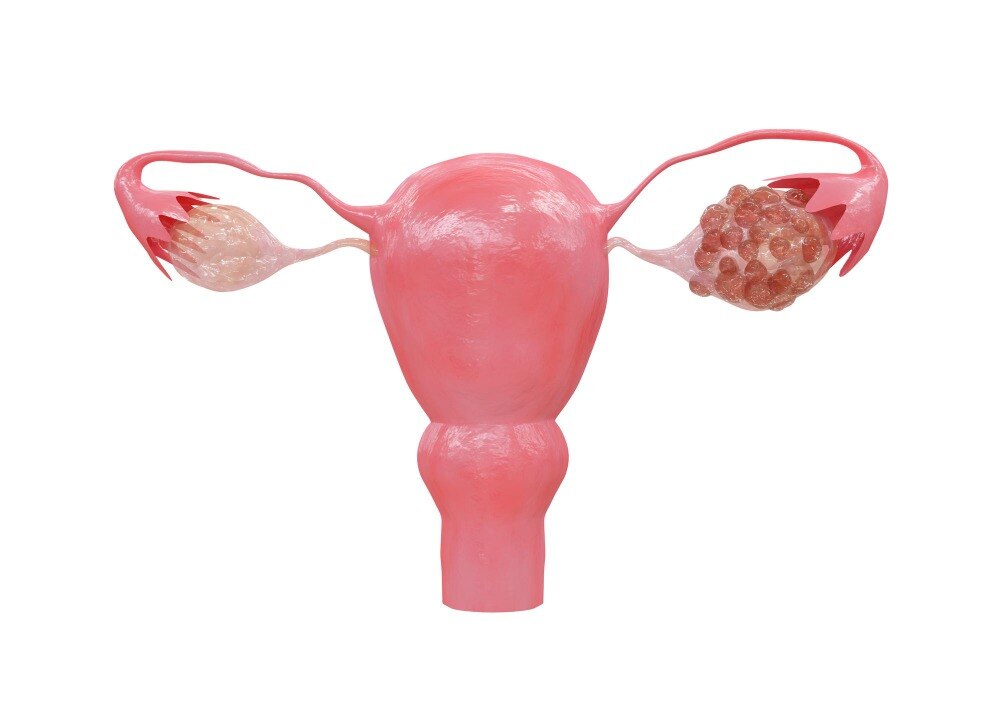
Ovarian Cyst Treatment by Dr. Vinisha Abhale An ovarian cyst is a fluid-filled sac that develops on or inside an ovary. View service → |
Frequently asked questions
Which ovarian cyst symptoms can disrupt daily comfort?
One-sided pelvic pain, abdominal pressure, bloating, urinary frequency, painful sex and painful periods can affect movement, sleep, work and exercise.
How do clinicians determine which type of ovarian cyst you have?
They review your symptoms and medical history, perform a pelvic examination when appropriate, and use pelvic ultrasound to assess the cyst’s size, location and appearance.
When can monitoring or medication improve comfort without surgery?
Monitoring can suit a small, uncomplicated cyst that causes mild symptoms and shows no concerning ultrasound features. Medication may help manage pain or related hormonal symptoms, but it does not remove every cyst.
When can a procedure provide better relief than continued observation?
A procedure becomes more relevant when pain persists, the cyst grows, looks complex, causes complications or remains after the expected observation period.
What should you expect from ovarian cyst care in Mumbai?
Expect symptom assessment, ultrasound-based evaluation, a discussion of monitoring or treatment options, follow-up planning and urgent advice for sudden severe pain, vomiting or faintness.
Keywords