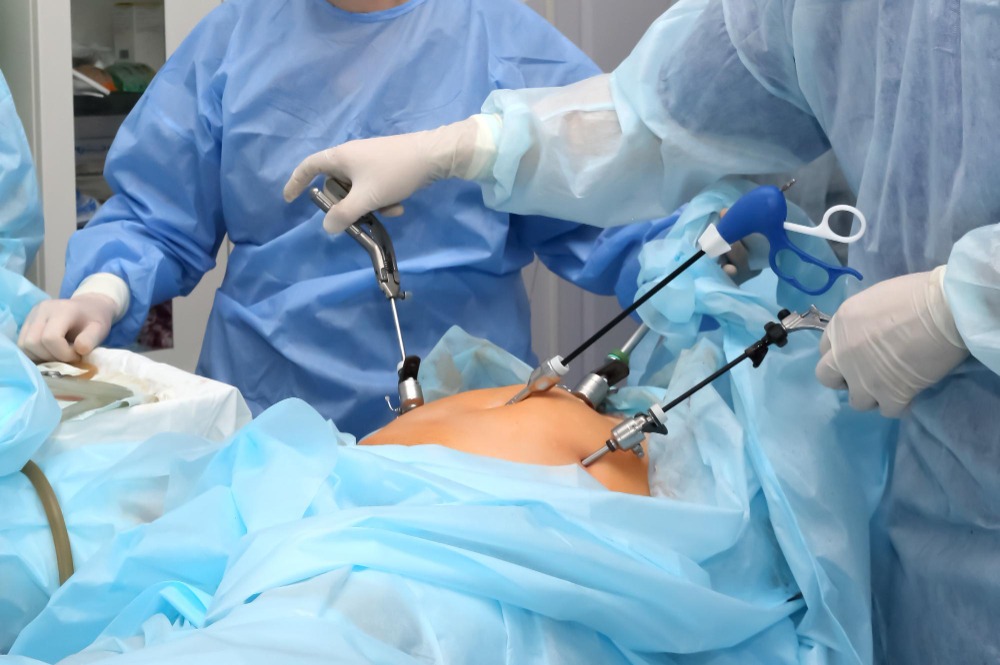
Gynaecological laparoscopy is a minimally invasive surgical approach performed through small abdominal incisions. A camera allows the surgeon to examine the pelvis and, when appropriate, treat a diagnosed condition.
Choosing a laparoscopy gynaec surgeon in Lower Parel involves evaluating the need for surgery, the surgeon’s experience with the particular condition and the hospital support available not merely comparing incision size or recovery claims.
Conditions that may be treated laparoscopically
Laparoscopy may be considered for selected cases involving:
- Ovarian cysts
- Endometriosis
- Ectopic pregnancy
- Fibroids
- Pelvic adhesions
- Certain fertility-related conditions
- Removal of the uterus
- Investigation of unexplained pelvic pain
Not every patient or condition is suitable for a laparoscopic approach. The size and location of a mass, previous surgery, pregnancy status, medical conditions and possibility of malignancy can affect the decision.
Questions to ask before surgery
A surgical consultation should explain the diagnosis and reasonable alternatives. Useful questions include:
- Why is surgery being recommended now?
- Is observation or medical treatment appropriate?
- What exactly is planned during the procedure?
- Could the operation need to change to an open approach?
- How could surgery affect fertility or future pregnancy?
- What are the likely risks and recovery requirements?
- Where will the operation be performed?
- Who should be contacted if a problem occurs after discharge?
A responsible discussion includes potential complications such as bleeding, infection, injury to surrounding organs, anaesthesia-related problems and blood clots. Individual risk varies.
Experience relevant to the diagnosis
“Laparoscopic surgery” covers procedures of very different complexity. Removing a straightforward ovarian cyst is not the same as operating on extensive endometriosis or difficult fibroids.
Ask whether the surgeon regularly manages the condition involved and whether additional expertise may be needed. Complex cases may require coordination with urology, colorectal surgery, fertility care, radiology or oncology.
Dr. Vinisha Abhale, Obs and Gynaecologist can review symptoms and investigations to determine whether surgical evaluation is appropriate and discuss the available pathway.
Hospital and emergency support
The quality of the hospital matters alongside the surgeon. Check whether the facility has qualified anaesthesia support, an equipped operating theatre, blood-bank access or an established arrangement, postoperative monitoring and emergency escalation facilities.
If surgery is planned for a potentially complex condition, ask whether appropriate specialist support can be accessed if an unexpected finding appears.
Preparing for laparoscopy
Preoperative preparation may include blood tests, imaging, an anaesthesia assessment and instructions about fasting and medicines. Blood thinners and medicines for diabetes require specific guidance; they should not be stopped without medical advice.
Arrange transport and help at home for the early recovery period. Ask when you may return to work, exercise, driving and sexual activity, since recommendations depend on the operation rather than the small incisions alone.
Recovery warning signs
Some discomfort and fatigue may occur after surgery. Contact the treating team promptly for increasing abdominal pain, persistent vomiting, fever, heavy bleeding, wound discharge, breathing difficulty, chest pain or painful leg swelling.
Women in Lower Parel, Worli, Parel and Prabhadevi may find proximity useful for preoperative assessment and postoperative review. Nevertheless, the principal considerations remain clinical suitability, relevant surgical experience and reliable hospital support.
The right surgeon should help you understand not only how an operation will be performed, but why it is preferable to the alternatives in your particular case.
Keywords