You may arrive unsure whether to attend alone, which reports to carry, or whether testing will begin that day. By the end of the appointment, you should understand which questions the doctor is assessing, which tests are appropriate now, how to prepare for them, and what happens next.
Key takeaways
- Book after 12 months, or after 6 months when the woman is 35 or older.
- Bring cycle dates, medical records, medication lists and both partners’ health histories.
- Expect questions first; examinations and tests are planned around your medical history.
- A semen analysis is usually an early, important part of the couple’s evaluation.
Before you arrive: when to book, who should attend and what to bring
Book after 12 months of regular unprotected intercourse if the woman is under 35, or after 6 months if she is 35 or older. Seek advice sooner for irregular or absent periods, suspected endometriosis, previous pelvic infection or surgery, recurrent miscarriage, male-factor risks or past chemotherapy.
1. At registration, staff confirm your appointment, contact details and identification, complete clinic forms, and record the reason for your visit. Bring both partners when possible; infertility affects couples, and assessing only one partner can delay answers.
2. Carry menstrual dates, ultrasound scans, pregnancy and miscarriage records, operative notes, semen-analysis reports, medication and supplement lists, and details of previous fertility treatment. Include reports from other Mumbai clinics.
3. Wear comfortable clothing. Fasting is not usually needed for the consultation, and cycle timing matters for certain blood tests or scans, not for the initial discussion. If a semen test is planned, follow the laboratory’s exact abstinence instruction; do not avoid ejaculation merely for the consultation.
Understanding what happens at first infertility consultation in Mumbai helps you arrive ready for questions about trying duration, cycles and prior treatment. The visit may end with planned tests rather than a diagnosis: ask why each test is needed, when it must occur, and what decision its result will change.
The first conversation: questions, medical history and examination
1. The appointment usually starts with a conversation, not a test. The doctor asks how long you have tried to conceive, how often you have intercourse and whether you time it around ovulation.
You will discuss menstrual-cycle length and regularity, heavy or unusual bleeding, pelvic pain and skipped periods, along with past contraception, pregnancies, miscarriages and abortions.
2. Expect questions about pelvic infections, abdominal or pelvic operations, medical conditions, medicines, supplements and family history. Smoking, alcohol, recreational drugs, workplace chemicals, heat exposure and previous chemotherapy can also matter. Bring accurate information; guessing dates can lead to the wrong next test.
3. Both partners need assessment because male factors contribute wholly or partly to many infertility cases. Male and female fertility assessment in Mumbai should therefore examine the couple, not place responsibility on one person. The doctor may recommend semen analysis early, even when there are no obvious male symptoms.
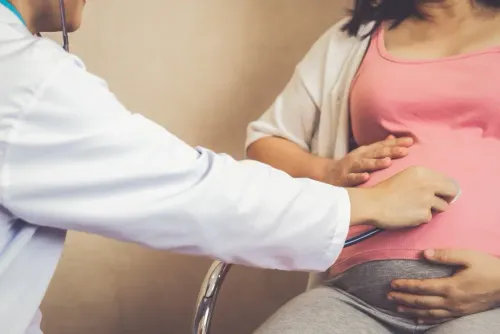
4. A physical examination is not automatic. With your consent, the clinician may check blood pressure and body mass index, inspect for thyroid or androgen-related signs, and perform a pelvic examination when symptoms or history justify it. This may identify tenderness or uterine and adnexal abnormalities, but it does not replace targeted testing.
Ask what each examination is intended to find before agreeing.
What the female fertility assessment may include
Female testing is selected from your history, not applied as a fixed package. Cycles lasting about 21 to 35 days often suggest ovulation, so routine ovulation-confirmation testing may not be needed unless other concerns appear.
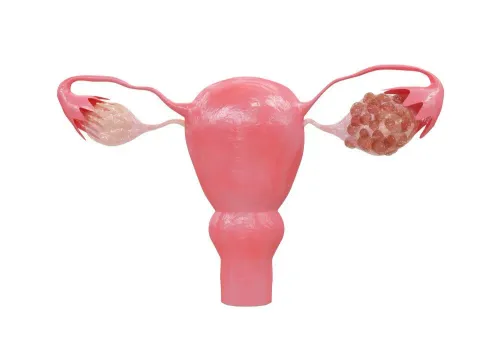
Irregular or absent periods prompt checks for polycystic ovary syndrome, thyroid dysfunction, high prolactin or reduced ovarian function. During an infertility evaluation in Mumbai, the clinician may choose:
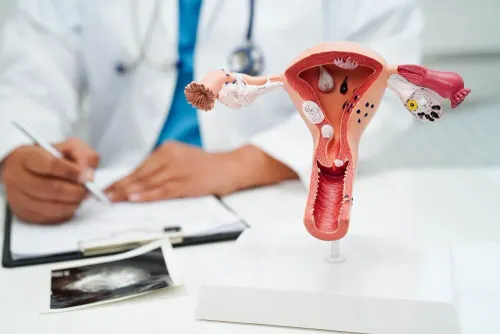
- A transvaginal ultrasound to assess the uterus, endometrium, ovaries and antral follicles, and to look for fibroids, polyps, ovarian cysts or features associated with polycystic ovaries.
- Ovarian-reserve testing with anti-Müllerian hormone (AMH), antral follicle count and follicle-stimulating hormone (FSH) measured in the early follicular phase.
- Targeted blood tests or ovulation assessment when your cycle pattern and medical history support them.
AMH, antral follicle count and FSH help estimate how the ovaries may respond to stimulation. They do not independently diagnose infertility or prove whether natural conception is possible; a low AMH does not mean pregnancy is impossible.
A normal ultrasound cannot confirm that the fallopian tubes are open or exclude every form of endometriosis. If indicated, tubal patency is assessed separately with hysterosalpingography or hysterosalpingo-contrast sonography.
Why the male partner usually has a semen analysis early
Male fertility assessment in Mumbai usually starts with a semen analysis because male factors contribute wholly or partly to many infertility cases. It is simpler and less invasive than several female investigations, so testing both partners early prevents delays and avoids placing the entire burden on the woman.
| Measure | What it reports | Why it matters |
|---|---|---|
| Volume | Amount of semen collected | Low volume can affect the interpretation of the sample |
| Sperm concentration | Sperm per millilitre | Shows the density of sperm in the ejaculate |
| Total count | Number of sperm in the entire sample | Adds context to concentration and volume |
| Motility | Sperm that move, and how well | Movement is needed for sperm to reach the egg |
| Morphology | Sperm shape and structure | Abnormal forms can reduce fertilising potential |
The laboratory commonly requests 2 to 7 days of abstinence; follow its exact instruction rather than guessing. Collect the complete sample in its approved container, avoid lubricant unless the laboratory supplies a fertility-safe option, and deliver it within the stated time and temperature range. Spillage, a wrong container or delayed transport can distort the report.
One abnormal result does not settle the diagnosis because semen measurements vary between ejaculates, so the doctor commonly requests a repeat sample. The consultation should also cover testicular injury, infections, surgery, heat or chemical exposure, medicines and previous chemotherapy. en
Which tests happen first, and which are planned for later
Ordering every fertility test on day one adds cost and appointments without necessarily changing the next decision. During an infertility evaluation in Mumbai, the history usually determines whether you begin with a semen analysis, targeted blood tests, pelvic ultrasound or ovulation assessment.
| Timing | Test | What it answers | Why timing matters |
|---|---|---|---|
| First visit | Semen analysis | Sperm count, movement and shape | Both partners can start assessment promptly |
| First visit or selected cycle day | Blood tests, pelvic ultrasound or ovulation assessment | Hormonal patterns, pelvic findings or evidence of ovulation | Cycle-day tests need a separate appointment |
| Later, when indicated | Hysterosalpingography or hysterosalpingo-contrast sonography | Whether the fallopian tubes are open and the uterine cavity appears normal | Tubal testing answers a different question from ovarian reserve |
| Later, only for a clear indication | Diagnostic laparoscopy | Pelvic disease that cannot be assessed adequately by less invasive methods | It involves anaesthesia and surgery, so it is not routine for every first evaluation |
Ask what each proposed test will change. Ovarian-reserve results might affect medication dosing; tubal testing might determine whether assessing open tubes is worthwhile before treatment. Before agreeing, ask about preparation, discomfort, risks, alternatives and the reason for postponing the test. The clinician should also explain how reproductive goals, available time and cost affect the sequence.
After the appointment: results, follow-up and choosing your next step
The first visit may end with a plan rather than a diagnosis or treatment decision. Your doctor may request missing records, repeat an abnormal semen analysis, schedule cycle-day blood tests, arrange hysterosalpingography or contrast ultrasound for the tubes or uterus, and review ultrasound findings at follow-up.
For a fertility consultation for couples Lower Parel or elsewhere in Mumbai, attend together when possible and bring every prior ultrasound, semen report, operation note, pregnancy or treatment record, medication list and menstrual dates. At Dr.Vinisha Abhale -Obs & Gynaecologist, this helps keep the discussion focused on both partners.
Ask before leaving:
- How will you combine our results?
- How long will the evaluation take?
- What will each test change?
- Which choices fit our goals, available time, budget and tolerance for procedures?
| Option | What it may involve | Clarify before agreeing |
|---|---|---|
| Continue evaluation | Remaining blood tests or imaging | Timing, preparation and total cost |
| Timed intercourse or medication | Monitoring or ovulation induction | Aim, risks and alternatives |
| IUI, surgery or IVF | More procedures and appointments | Benefits, risks, budget and time |
Use the follow-up to compare benefits, risks and alternatives before accepting the next step.
Related service
Infertility Treatment focuses on helping couples conceive by addressing the underlying causes of infertility. View service → |
Frequently asked questions
When should you book an infertility consultation?
Book after 12 months of regular unprotected intercourse if the woman is under 35, or after 6 months if she is 35 or older. Seek advice sooner for irregular or absent periods, suspected endometriosis, previous pelvic infection or surgery, recurrent miscarriage, male-factor risks or past chemotherapy.
Who should attend the first infertility consultation?
Both partners should attend because fertility depends on male and female factors, and the doctor will review both medical histories and plan assessments together.
What should you bring to the appointment?
Bring menstrual cycle dates, previous pregnancy records, medical and surgical reports, medication and supplement lists, fertility test results, and details of past infections or treatments.
Why is semen analysis usually done early?
Semen analysis is a straightforward early test that checks sperm concentration, movement and shape, helping identify or exclude male-factor infertility before more invasive testing.
Will all fertility tests happen during the first appointment?
No. The doctor may begin with history-taking and an examination, then schedule tests such as hormone testing, ultrasound or semen analysis at the appropriate time in the menstrual cycle.
Keywords