
Irregular or absent periods do not prove that you have PCOD or PCOS, and an ultrasound showing multiple follicles is not enough for diagnosis. By the end, you will know which findings matter, how treatment changes with pregnancy plans, what fertility care involves and when a Mumbai gynaecology or fertility consultation is warranted.
Key takeaways
- Confirm PCOS after excluding thyroid, prolactin and other causes.
- Track periods and protect the uterine lining when cycles are infrequent.
- Use metformin only with appropriate monitoring and personalised medical advice.
- Plan fertility care around ovulation tracking, treatment goals and follow-up.
PCOD or PCOS: what must be checked before treatment
PCOD is the term widely used in India; polycystic ovary syndrome (PCOS) is the internationally recognised diagnosis. In adults, clinicians generally diagnose PCOS when at least two of three findings are present, after excluding other causes:
- Irregular or absent ovulation, shown by infrequent or missing periods.
- Androgen excess, seen as facial hair, acne or scalp hair loss, or confirmed by blood tests.
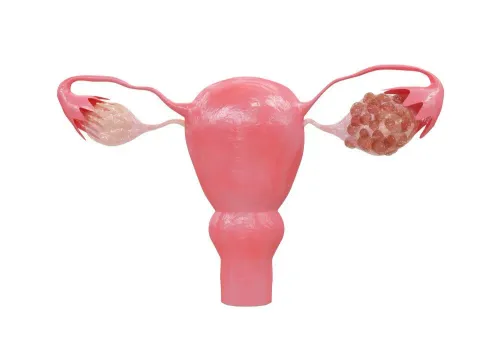
- Polycystic ovarian morphology on ultrasound or an elevated anti-Müllerian hormone (AMH) result.
An ultrasound alone does not establish PCOS. Visible ovarian cysts are not required, and the follicles seen in PCOS are not the same as a single ovarian cyst.
Before linking irregular periods to PCOS, take a pregnancy test and check thyroid function and prolactin. The assessment can also include premature ovarian insufficiency, ovarian cysts, fibroids, medication effects and other causes of androgen excess. Ask what each test will change; a label without this exclusion step can lead to unsuitable treatment.
Seek prompt care for sudden severe pelvic pain, bleeding after sex, bleeding that rapidly soaks pads, bleeding lasting more than seven days, or rapidly developing facial hair, a deepening voice or other sudden androgen-related changes. These symptoms need broader evaluation, not an assumption about routine pcod treatment benefits in mumbai.
How PCOS treatment makes periods safer and more predictable
Treatment can shorten long gaps between periods, make bleeding more predictable, reduce heavy or prolonged bleeding and protect the uterine lining. It can also improve acne or excess hair when androgen levels or effects are high.
The right pcos treatment for irregular periods depends on whether pregnancy is wanted now:
| Option | Main benefit | Important consideration |
|---|---|---|
| Combined hormonal contraception | Regulates bleeding and can improve acne or excess hair | Smoking, migraine with aura, uncontrolled hypertension or a previous clot can make it unsuitable |
| Cyclic progesterone | Triggers a planned withdrawal bleed and protects the endometrium | Useful when oestrogen-containing contraception is unsuitable; it does not prevent pregnancy unless paired with contraception |
| Fertility-focused treatment | Confirms ovulation and induces it when appropriate | Hormonal cycle-control medicines do not treat infertility |
Do not dismiss persistent amenorrhoea or very infrequent bleeding. Prolonged exposure to oestrogen without regular progesterone can allow the endometrium to thicken, while unexpected heavy bleeding needs assessment rather than automatic attribution to PCOS.
Regular activity, balanced meals, adequate sleep and stress-management strategies support metabolic and reproductive health, whether or not you need to lose weight. A medication-induced bleed is not proof that ovulation occurred.
PCOS has no single permanent cure. Review the plan as your goal changes, because period protection, symptom control and conception require different decisions.
Hormonal health: lifestyle, metformin and safe monitoring
Hormonal health requires more than regulating bleeding: PCOS care also addresses insulin resistance, impaired glucose tolerance, blood pressure and future type 2 diabetes risk. A 75-g oral glucose tolerance test is the most accurate glycaemic assessment recommended for PCOS, including if you are not overweight.
1. Ask which metabolic checks you need. Record blood pressure and complete the 75-g test when advised; repeat glucose testing according to the result and your risk profile. Regular activity, balanced meals, adequate sleep and stress-management strategies support metabolic health, with or without weight loss.
2. Discuss metformin’s purpose before taking it. It is most useful for metabolic features and can improve cycles or ovulation for some patients, but it does not universally replace hormonal cycle control or serve as the first-line fertility medicine.
Nausea, diarrhoea and abdominal discomfort are common after starting it; longer-term treatment may require attention to vitamin B12.
3. Review every medicine and supplement with your clinician. Combined hormonal contraception and antiandrogens require a medical-history and medication review. Antiandrogens require reliable contraception because of fetal risks, while excess hair improves slowly as new growth cycles change.
Do not self-start pills, progesterone, metformin or supplements before confirming the diagnosis. Inositol products vary in formulation and dose, and their fertility benefits remain uncertain, so bring every label to your appointment. Follow-up can include cycle records, blood pressure, blood tests, ultrasound and medication reviews.
PCOD fertility treatment in Mumbai: from ovulation tracking to pregnancy planning
For PCOD fertility treatment in Mumbai, start by confirming whether irregular ovulation is the main barrier to pregnancy. Bring cycle dates, previous pregnancy details, medication and supplement lists, ultrasound reports and blood-test results.
1. Complete the initial assessment. This commonly includes a pregnancy test, thyroid-stimulating hormone, prolactin, androgen assessment, glucose testing and ovarian assessment. Your partner may need semen analysis, and you may need a tubal-patency test because ovulation treatment cannot open blocked tubes or correct significant male-factor infertility.
2. Track ovulation with clinician-guided blood tests, ultrasound or home methods when appropriate. Ovulation predictor kits can mislead some people with PCOS, so confirm what result counts as ovulation before relying on one.
3. If PCOS-related anovulatory infertility is confirmed without another major factor, letrozole is usually the first-line ovulation-induction medicine. A clinician may adjust the dose and require pregnancy testing or monitoring; a PCOS diagnosis does not guarantee treatment success.
4. Try timed intercourse when ovulation occurs. Consider IUI or IVF when ovulation treatment fails, tubes are blocked, semen results are significantly abnormal or other fertility factors justify assisted reproduction.
Seek fertility-focused care after 12 months of trying if you are under 35, after six months if you are 35 or older, or sooner when periods are very infrequent or absent. Before conception, review blood pressure, medicines and glucose risk, take folic acid as advised, and plan screening for gestational diabetes and hypertensive disorders.
Dr.Vinisha Abhale -Obs & Gynaecologist can help decide whether you need general gynaecology or fertility-focused assessment.
Related services
PCOD PCOD / PCOS Treatment by Dr. Vinisha Abhale Polycystic Ovarian Disease (PCOD), also known as Polycystic Ovary Syndrome (PCOS), is a common hormonal... |
Menopause Care Menopause is a natural phase in a woman’s life that marks the end of her reproductive years, typically occurring between the ages of 45 and 55. View service → |
Choosing the right explanation, clinician and follow-up plan
Irregular periods do not prove PCOS. Compare the proposed plan with the suspected cause, because treatment that fits one diagnosis can miss another.
| Cause | What it may explain | Assessment and treatment direction |
|---|---|---|
| Fibroids | Heavy or prolonged bleeding | Pelvic examination and ultrasound to assess uterine structure |
| Ovarian cysts | Pelvic pain or cycle changes without PCOS | Ultrasound follow-up based on cyst size and appearance |
| Thyroid disorder | Irregular bleeding and other hormonal symptoms | Thyroid-specific blood tests and treatment |
| Primary ovarian insufficiency | Absent periods and reduced fertility | A different fertility, hormone and bone-health discussion |
Ask what each test will change, how often you need review, and whether follow-up includes cycle tracking, blood tests, ultrasound or medication adjustments. Choose a general gynaecology consultation for new irregular bleeding, pelvic symptoms or diagnostic uncertainty. Choose fertility-focused care when you are trying to conceive, ovulation is absent or initial treatment has not worked.
- Previous ultrasound images and reports; thyroid, prolactin, androgen and glucose results
- A three-to-six-month bleeding diary, prescriptions and supplement packaging
- Details of pregnancy attempts, including timing and previous outcomes
Ask when to return if you have no bleed, develop heavy bleeding, experience severe pain or cannot conceive. The best PCOD treatment benefits in Mumbai come from a diagnosis-led plan with a stated goal—period protection, symptom control, metabolic health, fertility or pregnancy monitoring—and progress measured against it.
Frequently asked questions
What must be checked before PCOD or PCOS treatment?
A clinician reviews your symptoms, menstrual pattern and examination findings, then excludes other causes such as thyroid disease, raised prolactin and pregnancy. Blood tests and ultrasound are selected according to your history.
How does PCOS treatment help irregular periods?
Treatment targets the cause and your pregnancy plans. Cycle tracking, lifestyle changes and prescribed hormonal treatment can make bleeding more predictable and reduce the risk of prolonged gaps between periods.
Is metformin suitable for everyone with PCOS?
No. A clinician considers insulin resistance, glucose results, kidney function, other medicines and treatment goals before prescribing metformin. Follow-up checks help assess benefits and side effects.
What does PCOD fertility treatment in Mumbai involve?
Care can begin with cycle and ovulation tracking, timed intercourse and correction of factors affecting fertility. If ovulation remains irregular, a clinician may discuss medicines and a monitored pregnancy plan.
How should you choose a PCOS clinician and follow-up plan?
Choose a clinician who explains the diagnosis, treatment alternatives, risks, fertility implications and review schedule. Ask which symptoms or test results will trigger a change in treatment.
Keywords