Pregnancy stretch marks are scars in the deeper layer of skin, so creams and procedures can soften their colour, texture and contrast but rarely erase them. You will be able to identify the stage of your marks, compare treatment choices, understand when postpartum procedures are appropriate and prepare safer questions for a Mumbai consultation.
Key takeaways
- Red or purple marks usually respond better than mature white marks.
- Ask your doctor when treatment is safe after delivery or during breastfeeding.
- Choose treatment based on mark colour, age, depth and your skin type.
- Confirm who performs the procedure, device details and aftercare instructions.
Why pregnancy stretch marks change from red or purple to white
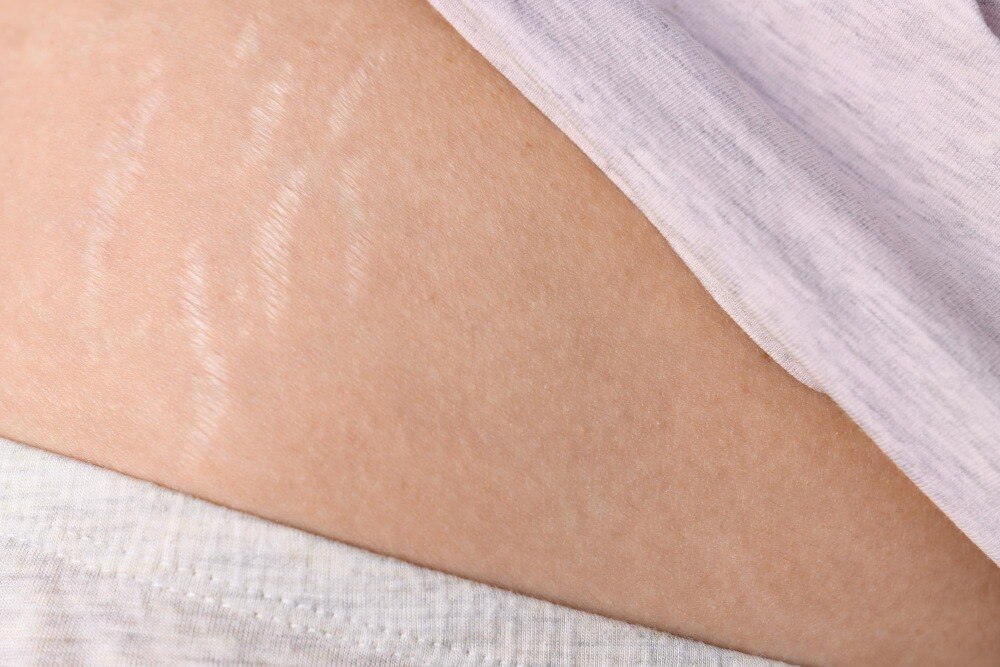
Rapid expansion of the abdomen, breasts, hips or thighs can stretch the skin faster than its dermis can remodel. Pregnancy hormones, including changes that affect collagen and elastin, can weaken this support layer. The result is striae distensae: a type of dermal scar, not simply dry skin.
| Stage | Appearance | What is happening |
|---|---|---|
| Striae rubrae | Red, pink or purple | Early marks contain visible widened blood vessels and inflammation, so they contrast strongly with surrounding skin. |
| Striae albae | Pale white or silvery | Mature marks have settled as scar tissue; reduced blood flow and pigment change make them lighter, while the dermis remains altered. |
After delivery, stretch marks often fade naturally as inflammation and vascular colour decrease. They usually do not disappear completely. Stretch mark treatment after pregnancy in Mumbai should therefore be judged by reduced visibility, improved colour, smoother surface texture and less contrast—not by a promise to erase every line.
Sun exposure can increase contrast between pale marks and surrounding skin, so use broad-spectrum sunscreen and avoid tanning; sunscreen cannot remove established striae.
Ask a clinician to assess unusually broad, sudden purple striae, especially with easy bruising, muscle weakness, high blood pressure, diabetes symptoms or prolonged corticosteroid use. These features can indicate excess steroid exposure or Cushing syndrome rather than ordinary pregnancy-related stretching.
When can you start treatment after delivery, pregnancy or breastfeeding?
Start elective stretch-mark treatment after a clinician confirms that your postpartum skin, hormone-related changes, delivery wounds and general recovery have settled. There is no universal date: pregnancy, infection, caesarean or perineal wounds, pain, sleep loss and difficult aftercare can all justify waiting.
| Situation | Safer approach | Reason |
|---|---|---|
| Pregnancy | Postpone elective procedures and prescription retinoids | Treatment is not urgent, and pregnancy changes the risk assessment |
| Early postpartum | Wait for wounds and recovery to settle | Inflamed skin or poor aftercare can worsen irritation, infection or pigment changes |
| Breastfeeding | Discuss every medicine and procedure individually | Absorption, nipple contact and infant exposure need specific advice |
Breastfeeding does not create one automatic start date. Tell the clinician whether you are nursing, planning another pregnancy or using medicines before choosing pregnancy stretch mark treatment in Mumbai. Do not self-start prescription tretinoin postpartum; it has mainly been studied for relatively early marks in non-pregnant patients.
Never apply tretinoin to the nipple or areola before nursing.
A moisturiser can ease dryness and itching, but it does not remodel an established dermal scar. Cocoa butter, vitamin E, olive oil and many commercial creams have not reliably prevented or removed established marks in controlled studies. Use them for comfort, not as proof that treatment has begun.
Delay any procedure over actively inflamed or infected skin. A consultation should identify the treatment’s purpose, timing and aftercare burden before you book.
Which treatment fits the age, colour and depth of your marks?
Colour, age and depth determine the sensible starting point. Early red or purple marks have a vascular component; mature pale, white or silvery marks are established dermal scars with uneven texture.
| Option | Better fit | Limits and cautions |
|---|---|---|
| Home care and moisturisers | Dryness, itching or tight skin at any stage | Improves comfort but does not remodel an established dermal scar |
| Topical tretinoin | Limited relevance to early marks after medical assessment | Discuss breastfeeding and future pregnancy; never self-start or apply to the nipple or areola before nursing |
| Pulsed-dye laser | Red or purple vascular marks | Less suited to mature white marks; pigment and redness risks need discussion |
| Microneedling or radiofrequency | Mature marks with mild to moderate texture change | Results vary with depth, device and settings; microneedling needs sterile technique |
| Fractional non-ablative, erbium or CO2 resurfacing | Mature pale or uneven marks, including deeper texture changes | More recovery and pigment risk; settings must match your skin type and scar depth |
No option works equally well at every stage. A clinician may discuss combining treatments, but evidence differs between devices, settings, skin types and follow-up periods; improvement in colour, texture and visibility is the realistic goal, not guaranteed removal.
In Mumbai, Fitzpatrick skin types IV to VI face meaningful risks of post-inflammatory hyperpigmentation, hypopigmentation, burns, infection, prolonged redness and scarring. Ask about conservative settings, strict sun protection and a test spot where appropriate.
Microneedling is controlled injury, not a salon facial. Excessive depth, poor sterilisation or treatment over inflamed skin can cause bleeding, infection, pigment change or scars.
What happens during laser treatment, and when will you see results?
A fractional CO2 consultation begins with confirming whether the marks are red, purple, pale, raised or uneven, then assessing your skin tone, depth and location. The clinician reviews your medical history, medicines, pregnancy or lactation status, active infection and any history of keloids or abnormal scarring before recommending treatment.
The practical sequence usually includes:
- Photographs or another baseline assessment
- Cleansing and prescribed preparation when needed
- Numbing cream left on for the planned interval
- Protective eyewear
- Fractional passes that feel hot or prickly
Treatment time depends on the area treated, not a fixed protocol. Afterward, cooling, gentle cleansing and a prescribed ointment support healing. Do not pick peeling skin. Use strict sun protection and report increasing pain, pus, spreading redness, fever, marked darkening or lightening of the treated area.
Fractional CO2 resurfacing is not the same as vascular laser treatment.
| Option | Main target | What to expect |
|---|---|---|
| Fractional CO2 | Pale or textured mature marks | Controlled columns of injury stimulate collagen remodelling; downtime and pigment risk require discussion |
| Vascular laser | Red or purple early marks | Targets visible blood vessels; it does not provide the same resurfacing effect |
The number and spacing of sessions must follow examination because settings, skin response and recovery differ. Improvement develops gradually over several months as collagen remodels. Complete removal is not the goal, and maintenance is neither automatic nor guaranteed.
A search for laser stretch mark treatment in Mumbai does not identify one standard procedure; ask which laser matches your mark type and skin.
How do you choose a safe stretch-mark clinic near you in Mumbai?
A safe clinic is one that qualifies both the clinician and the proposed procedure, not one that merely appears for “stretch marks treatment near me.”
- Verify the treating clinician’s medical registration and training in dermatology, gynaecology or procedural laser care.
- Ask for the device, wavelength and treatment category, then request written details of expected improvement, session count, interval, downtime, pigment risk, sun protection and complication management.
- Confirm that the consultation will assess colour, age, depth, location, skin type, keloid history and any previous abnormal healing.
- Ask whether a test spot and conservative settings suit your skin. They reduce risk; they do not remove it.
| Device or category | Usually considered for | Question to ask |
|---|---|---|
| Pulsed-dye laser | Red or purple marks | Is the target vascular colour, and how will pigment change be monitored? |
| Fractional laser | Pale or textural marks | Is the treatment ablative or non-ablative, and what downtime follows? |
| Microneedling or radiofrequency | Texture and collagen remodelling | What sterile technique, depth, energy and infection plan will be used? |
For Indian skin, particularly Fitzpatrick types IV to VI, written consent should address post-inflammatory hyperpigmentation, hypopigmentation, burns, infection, prolonged redness and scarring. Dr.Vinisha Abhale -Obs & Gynaecologist can provide one consultation option for women’s reproductive and aesthetic gynaecological care in Mumbai, but apply the same checks before booking any provider.
Walk away if the clinic guarantees removal, pressures you to treat during pregnancy, avoids breastfeeding questions, or has no plan for burns, infection or pigment changes.
Related service
Aesthetic gynaecology Dr. Vinisha Abhale uses the advanced Italian MonaLisa Touch CO₂ laser to improve the appearance of pregnancy stretch marks, cesarean scars, and... View service → |
Frequently asked questions
Why do pregnancy stretch marks change from red or purple to white?
Striae distensae begin as red, pink or purple marks while blood vessels show through stretched, inflamed skin. Over time, they become paler, thinner and more scar-like as the skin remodels.
When can you start stretch mark treatment after delivery, pregnancy or breastfeeding?
Do not start elective laser or prescription treatment during pregnancy without medical advice. After delivery, timing depends on healing, bleeding, skin condition and breastfeeding; ask your gynaecologist before treatment or topical medicines.
Which treatment fits the age, colour and depth of stretch marks?
New red or purple marks often respond more readily to treatment than older white marks. A clinician should assess colour, width, depth, skin type and the risk of pigmentation before recommending topical care, microneedling or laser treatment.
What happens during laser stretch mark treatment, and when will you see results?
The clinician cleans the area, protects your eyes and delivers controlled laser energy to the marks. Redness, warmth or swelling can follow. Results develop gradually over multiple sessions as collagen remodels, and complete removal is not guaranteed.
How do you choose a safe stretch-mark clinic near you in Mumbai?
Choose a registered medical clinic where a qualified doctor examines you, explains alternatives and names the laser or device. Ask about expected sessions, side effects, pigmentation risk, aftercare and what happens if treatment is unsuitable for your skin.
Keywords