A fibroid does not automatically mean you need surgery before trying to conceive. The decision depends on its FIGO location, size, number, growth pattern and effect on the uterine cavity, alongside your age, fertility history and other test results. By the end, you will know which evaluations clarify the risk, when observation is reasonable, how treatment choices compare and how surgery can affect pregnancy and delivery planning.
Key takeaways
- Fibroids that distort the uterine cavity have the clearest fertility impact.
- Transvaginal ultrasound and saline sonography show whether a fibroid affects the cavity.
- Observation can be safer when fibroids are small, symptom-free and cavity-distorting changes are absent.
- After myomectomy, ask when to try conceiving and whether a planned caesarean is advised.
Why a fibroid’s location matters more than its mere presence
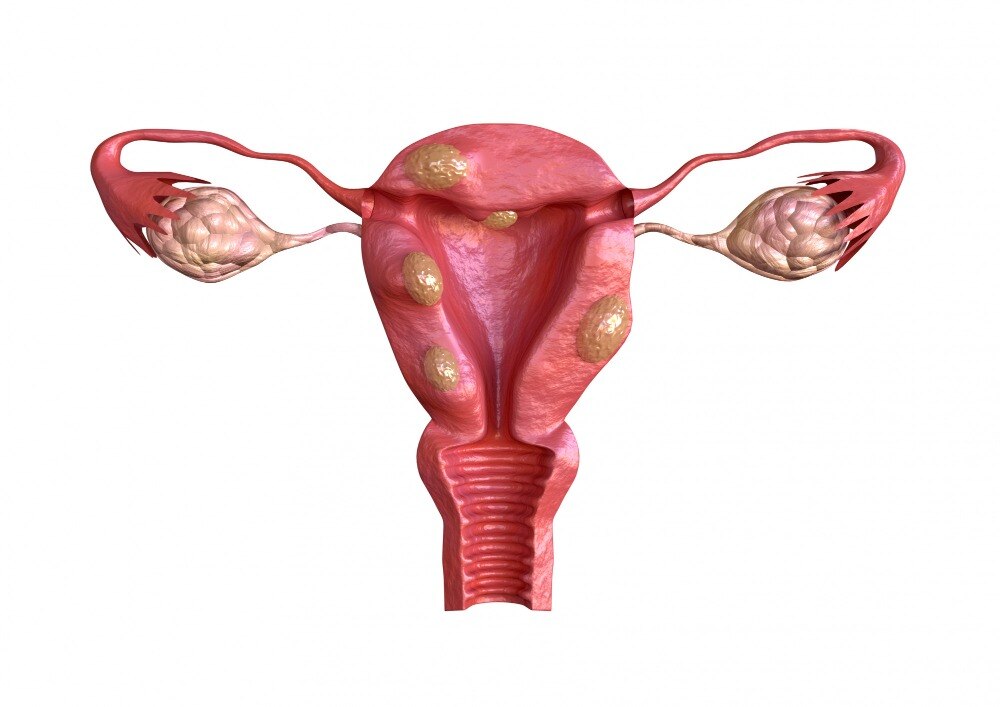
Yes—the position of a fibroid can affect both conception and pregnancy more than its mere presence. A fibroid that changes the uterine cavity has a clearer fertility impact than one growing away from it.
| Type | Location | Relevance when planning pregnancy |
|---|---|---|
| Submucosal | Projects into or distorts the uterine cavity | Most consistently linked with reduced fertility; hysteroscopic removal improves clinical pregnancy rates when the fibroid distorts the cavity |
| Intramural | Grows within the uterine muscle | Fertility impact remains uncertain when the cavity is not distorted; size and proximity to the cavity matter |
| Subserosal | Projects outward from the uterus | Generally has little demonstrated effect on conception unless it affects nearby structures |
Size, number, growth pattern and proximity to a fallopian tube or cervix still matter. A large fibroid near the cervix can affect sperm passage or the baby’s position, while a fibroid near the placenta can influence pregnancy monitoring.
The ASRM guideline found insufficient evidence that removing non-cavity-distorting intramural or subserosal fibroids improves fertility. Surgery based only on the ultrasound word “fibroid” can therefore expose you to recovery and uterine scarring without a proven conception benefit.
Most women with fibroids have uncomplicated pregnancies, but location, size and number can raise risks such as pain from degeneration, miscarriage, preterm birth, malpresentation, caesarean birth and postpartum haemorrhage. A fibroid treatment when planning pregnancy in Mumbai consultation should match those features—not simply remove every fibroid found.
Which tests show whether a fibroid is affecting fertility
A preconception assessment should establish whether the fibroid changes the uterine cavity and whether another fertility problem exists. Ask the clinician to review the actual ultrasound images, not only the report, and record each fibroid’s number, size, FIGO location, growth pattern, distance from the cervix or fallopian tubes, and effect on the endometrial cavity.
The assessment should also consider age, ovulation, duration of infertility, tubal patency, semen analysis and ovarian reserve when relevant.
| Test | What it measures | What the result clarifies |
|---|---|---|
| Pelvic examination | Uterine size, tenderness and mobility | Whether the uterus feels enlarged or another pelvic condition needs investigation |
| Transvaginal ultrasound | Fibroid size, number, location and growth | Whether a fibroid is submucosal, intramural or subserosal and whether the cavity appears distorted |
| Saline-infusion sonography or hysteroscopy | The inside of the uterine cavity | Whether a polyp or submucosal fibroid projects into the cavity |
| MRI | Detailed mapping of multiple or large fibroids | Anatomy that ultrasound cannot define and surgical planning |
| Complete blood count and ferritin or iron studies | Anaemia and iron depletion | Whether heavy bleeding has reduced haemoglobin before pregnancy or surgery |
Heavy, prolonged periods with anaemia support fibroid-related bleeding, but they do not prove it. Pelvic pain can also result from endometriosis or adenomyosis, while irregular bleeding can come from polyps, thyroid disease or pregnancy.
If you are searching for a uterine fibroid consultation near me, ask how these alternatives will be checked rather than accepting “fibroid” as the explanation for every symptom.
When observation is safer than treatment before conception
A small, stable fibroid that does not distort the uterine cavity usually does not require treatment before you try to conceive.
Observation is safer when bleeding is manageable, the fibroid is not growing quickly, and its effect on fertility remains uncertain; schedule repeat transvaginal ultrasound as advised and check a complete blood count plus iron studies when bleeding is heavy. Iron corrects anaemia, not the fibroid.
| Option | When it applies | Fertility limitation or risk |
|---|---|---|
| Observation | No cavity distortion, severe symptoms, or rapid growth | The fibroid remains and needs monitoring |
| GnRH agonist | Temporary shrinkage or anaemia improvement before surgery | It suppresses ovulation, fibroids commonly regrow, and it is not a definitive fertility treatment |
| Hysteroscopic myomectomy | A submucosal fibroid projects into or distorts the cavity | It improves clinical pregnancy rates, but carries adhesion and surgical risks |
| Laparoscopic or open myomectomy | A symptomatic or cavity-distorting intramural or subserosal fibroid requires removal | Adhesions, bleeding, recurrence, and rarely hysterectomy can occur; fertility benefit is uncertain for a non-cavity-distorting fibroid |
Do not choose surgery from the ultrasound word “fibroid” alone. The decision should weigh location, size, number, growth pattern, and proximity to the cervix or fallopian tubes. Evidence is insufficient that removing non-cavity-distorting intramural or subserosal fibroids improves fertility.
A fibroid doctor for pregnancy in Mumbai can help compare observation with surgery, especially when symptoms are mild and the anatomy is unclear. Any medication must fit your conception plan; do not keep trying while taking treatment that suppresses ovulation or is unsuitable in pregnancy.
How myomectomy affects recovery, conception timing and later delivery
There is no single safe waiting period after myomectomy. Your surgeon sets it from the incision’s depth, location and healing; many women are advised to wait about 3–6 months after laparoscopic or open surgery before trying to conceive. After hysteroscopic removal of a cavity fibroid, clearance may come sooner, once the uterine cavity has healed.
Recovery also depends on the approach. Hysteroscopic surgery often needs days rather than weeks, while laparoscopic or open surgery can require several weeks before normal activity. Do not use reduced pain or bleeding as proof that the uterus is ready for pregnancy.
Ask for these details before leaving the hospital:
- The operative report, including the number, size and location of fibroids removed
- Whether the uterine cavity was opened
- Whether the incision was deep or full-thickness, and how the muscle was closed
- Any remaining fibroids, significant bleeding, infection or adhesions
- Your latest haemoglobin and iron results if heavy bleeding caused anaemia
These details shape delivery planning. A deep uterine incision, extensive repair or entry into the cavity can lead an obstetrician to recommend a planned caesarean birth; the word “laparoscopy” alone does not decide it. Keep the report for pregnancy care in Mumbai.
Dr.Vinisha Abhale -Obs & Gynaecologist can use the operative findings, healing review and conception plan together rather than choosing a waiting period from the surgery date alone. Myomectomy preserves the uterus, but fibroids can recur and adhesions can affect fertility, so surgery is not a guarantee of pregnancy.
Related services
Fibroids Fibroids Uterine Fibroids Treatment by Dr. Vinisha Abhale Uterine fibroids are non-cancerous growths that develop in or around the uterus. |
Family Planning Services by Dr. Vinisha Abhale Family planning helps couples make informed decisions about when and how many children to have. Dr. View service → |
What fibroids can mean during pregnancy and at birth
After a positive pregnancy test, most fibroids are monitored rather than removed. Your obstetrician will review their size, number and position on ultrasound, along with placental location, fetal growth, the cervix and whether a fibroid could obstruct the birth canal.
The plan may include repeat scans if a fibroid is large, rapidly changing or close to the placenta or cervix.
Expect decisions based on symptoms and pregnancy findings, not the ultrasound word “fibroid” alone:
- Mild symptoms: observation, hydration and pregnancy-safe pain relief recommended by your clinician are usually enough. Do not start ibuprofen or hormonal fibroid medicines without medical advice.
- Severe or persistent pain: assessment is needed to exclude miscarriage, preterm labour, placental problems, urinary conditions or ovarian torsion. A degenerating fibroid can cause intense localised pain and fever.
- Bleeding, regular tightening, fluid leakage or reduced fetal movement: contact your maternity team urgently rather than waiting for the next scan.
- Myomectomy during pregnancy: doctors avoid it because haemorrhage and pregnancy-loss risks are substantial. Surgery is reserved for exceptional cases, such as an obstructing fibroid or pain that remains uncontrolled.
- Birth planning: a low fibroid may block the cervix or affect fetal position, making caesarean birth more likely. A previous deep intramural or full-thickness myomectomy also matters; the operative report shows whether the cavity was entered and how extensive the scar is.
If fibroids and pregnancy in mumbai are part of your care, keep every scan and surgical report. A prior operation does not automatically require caesarean birth; your obstetrician uses the actual incision details to decide.
Frequently asked questions
Why does a fibroid’s location matter when planning pregnancy?
A fibroid that projects into or changes the uterine cavity has a clearer effect on implantation and fertility than one growing away from the cavity.
Which tests show whether a fibroid is affecting fertility?
Transvaginal ultrasound assesses size and position. Saline infusion sonography or hysteroscopy shows whether the fibroid distorts the uterine cavity, while MRI can map multiple or difficult-to-characterise fibroids.
When is observation safer than fibroid treatment before conception?
Observation can be appropriate when fibroids cause no significant symptoms, do not distort the uterine cavity and do not create a clear pregnancy or fertility concern. The decision depends on size, location, growth and your pregnancy plans.
How does myomectomy affect recovery, conception timing and delivery?
Recovery depends on whether surgery is hysteroscopic, laparoscopic or open. Your surgeon will advise when healing is complete before conception and whether the uterine incision makes planned caesarean delivery safer.
Related service
Infertility Treatment focuses on helping couples conceive by addressing the underlying causes of infertility. View service → |
Keywords