Leakage with a cough or a run to the toilet points to different bladder problems, and each pattern calls for a different starting treatment. By the end, you will know what symptoms to record, which tests are worthwhile, which treatments come first, and when to seek specialist care.
Key takeaways
- Leakage with coughing or exercise points to stress incontinence.
- Urgency, frequent urination and accidents suggest urge incontinence.
- Keep a three-day bladder diary before your appointment.
- Try pelvic-floor exercises and bladder training before invasive treatment.
Which type of leakage matches your symptoms?
Not every leak is a urinary infection. The timing and trigger usually identify the pattern, which matters because urine for leakage treatment lower parel should be selected for the type of incontinence, not for every episode of wetness.
| Pattern | What you notice | Typical clue |
|---|---|---|
| Stress incontinence | Leakage with coughing, sneezing, laughing, exercise or lifting | Little or no warning before the leak |
| Urge incontinence | Sudden, hard-to-delay urgency, frequent night waking (nocturia), or leakage while rushing to the toilet | The bladder contracts before you reach it |
| Mixed incontinence | Both activity-related leaks and sudden urgency | Stress and urgency symptoms occur in the same person |
| Overflow incontinence | Incomplete emptying, a weak stream, a full-bladder sensation and frequent dribbling | Urine remains in the bladder and spills over |
| Functional incontinence | You cannot reach or use the toilet in time because of limited mobility, poor vision or cognitive impairment | The bladder may work normally, but access is the barrier |
Mixed symptoms need attention to both stress triggers and urgency episodes. Burning, fever, or pain can indicate infection, but leakage without those features is not proof of infection; the correct pattern directs testing and treatment.
Which health factors can contribute to urine leakage?
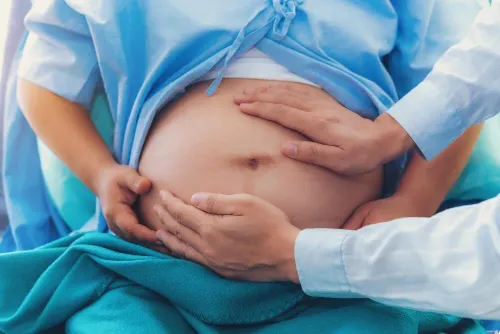
Pregnancy, vaginal childbirth, menopause, weight, bowel habits, infection and medical conditions can all change pelvic-floor support, bladder sensation, urine production or emptying.
| Health factor | How it can contribute |
|---|---|
| Pregnancy | Pressure on the bladder and stretched pelvic tissues can cause leakage. |
| Vaginal childbirth | Muscle, fascia or nerve injury can weaken urethral support. |
| Menopause | Lower oestrogen can thin vaginal and urethral tissues and increase urgency. |
| Obesity | Added abdominal pressure strains pelvic-floor support. |
| Constipation | Straining weakens support and a loaded bowel can press on the bladder. |
| Urinary infection | Inflammation can trigger urgency, frequency and temporary leakage. |
| Diabetes | High urine production causes frequency; nerve damage can impair emptying. |
| Medicines | Diuretics increase urine volume; sedatives or some pain medicines can delay toileting or cause retention. |
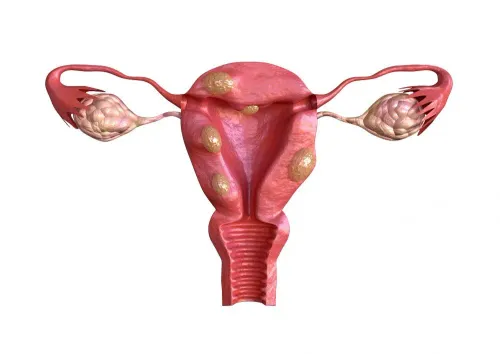
| Pelvic organ prolapse | A dropped bladder, uterus or rectum can obstruct emptying or reduce support. |
| Neurological conditions | Nerve damage can alter bladder sensation, contractions or sphincter control. |
Seek a urinary incontinence doctor in Lower Parel instead of self-treating if you have:
- Burning with fever, back or side pain, severe pelvic pain, or inability to pass urine.
- Visible blood in the urine. It needs assessment even when infection seems likely.
- New leg weakness or numbness, or sudden loss of bladder control.
What should you record before seeking treatment?
Start a three-day bladder diary before your appointment; include ordinary days rather than deliberately changing your drinking.
- Record every drink, its time, and approximate amount, including water, tea, coffee, alcohol and soft drinks.
- Record each toilet visit, whether it was planned or urgent, and rate urgency from 0 (none) to 3 (could not defer).
- Note every leakage time, the activity involved—coughing, sneezing, lifting, exercise, or rushing to the toilet—and whether urgency came first.
- Record nighttime waking to urinate, leakage overnight, and every pad or continence-product change.
- Add childbirth and menopause history, bowel symptoms, diabetes, neurological disease, previous pelvic surgery, and every prescription, over-the-counter medicine and supplement.
Leakage during exertion points towards stress incontinence; a sudden hard-to-delay urge, nocturia or leakage on the way to the toilet points towards urgency incontinence. Both patterns suggest mixed incontinence, helping a clinician choose treatment rather than assume infection.
Arrange prompt assessment instead of routine bladder control treatment in Mumbai if you have burning with fever, back or side pain, visible blood in urine, severe pelvic pain, inability to pass urine, new leg weakness or numbness, or sudden loss of bladder control.
What happens at the first appointment, and which tests are useful?
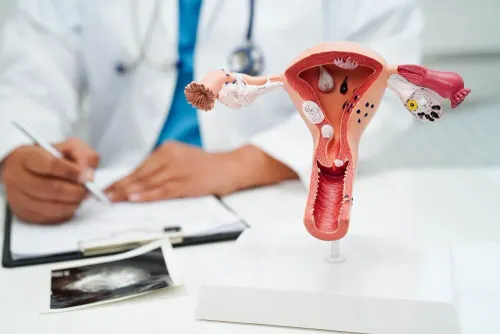
Expect a urinary incontinence doctor Lower Parel to ask when leakage occurs, how much urine escapes, urgency, nocturia, frequency, incomplete emptying and triggers such as coughing or lifting.
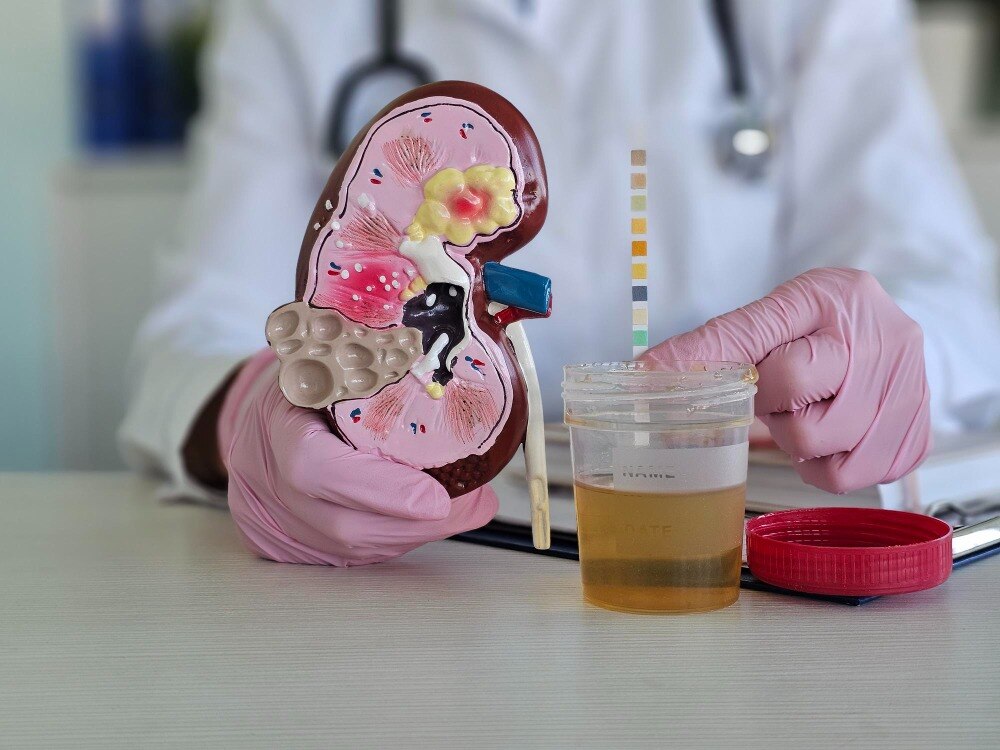
The clinician reviews every medicine, supplement and medical condition, then performs abdominal and pelvic examinations, checks prolapse, and assesses whether you can contract and relax the pelvic-floor muscles correctly. Urinalysis is routine; a pregnancy test is added when pregnancy is possible.
| Test | Useful when |
|---|---|
| Urine culture | Burning, fever, pelvic pain, recurrent symptoms or urinalysis suggesting infection |
| Blood tests | Diabetes, kidney disease, unexplained fatigue or other abnormal findings |
| Ultrasound | Recurrent symptoms, suspected stones or prolapse, kidney concerns or an abnormal examination |
| Post-void residual | Incomplete emptying, weak stream, frequent dribbling, suspected retention or neurological disease |
For urine for leakage treatment Lower Parel, ask why each test is needed. Urodynamics is not routine for uncomplicated stress incontinence demonstrated by symptoms and examination; it helps when symptoms are mixed or unusual, voiding dysfunction is suspected, or previous surgery failed.
Cystoscopy is reserved for visible blood in urine, suspected bladder pathology or another specific concern.
Which treatments should you try before procedures or surgery?
| Symptom pattern | First-line treatment | What to do |
|---|---|---|
| Stress leakage | Supervised pelvic-floor muscle training | Continue for at least three months. A clinician or physiotherapist should confirm that you contract the pelvic-floor muscles, rather than relying on unsupervised Kegels that may be ineffective. |
| Urgency leakage | Bladder training | Continue for at least six weeks. Extend the interval between toilet visits gradually and use urge suppression—stop, breathe, perform quick pelvic-floor contractions and walk calmly—instead of repeated “just in case” visits. |
| Mixed leakage | Both programmes | Treat the stress and urgency components together, based on which symptoms trouble you most. |
| Activity-related stress leakage | Vaginal pessary | Have it fitted professionally while you consider other options. Arrange follow-up for discomfort, discharge, bleeding or vaginal-wall injury. |
Timed voiding can provide a practical schedule, especially when urgency makes toilet access difficult. Treat constipation, reduce excess weight when overweight, and test whether less caffeine improves urgency. Adjust fluids sensibly; severe restriction concentrates urine and can intensify urgency.
Temporary pads, absorbent underwear or other continence products can protect clothing while treatment takes effect, but they do not correct the cause. These measures form the foundation of bladder control treatment in Mumbai and elsewhere, before procedures are considered. If symptoms persist despite correct training, reassessment should confirm the diagnosis rather than simply escalating treatment.
When are medicines, specialist procedures or surgery appropriate?
After conservative care, match treatment to the leakage pattern: urgency medicines do not repair stress leakage, and stress surgery does not reliably stop urgency.
| Option | Main trade-offs | When it fits |
|---|---|---|
| Antimuscarinic | Dry mouth, constipation, blurred vision; caution with glaucoma or cognitive concerns | Persistent urgency when bowel, eye, memory and medicine risks are acceptable |
| Beta-3 agonist | Can raise blood pressure | Urgency when antimuscarinic effects are unsuitable; check blood pressure |
| Local vaginal oestrogen | Not a universal leakage treatment | Postmenopausal women with vaginal dryness, irritation, urinary symptoms or genitourinary atrophy |
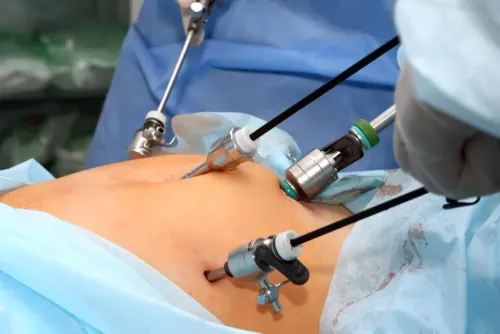
Severe urgency that persists despite treatment can lead to bladder onabotulinumtoxinA, percutaneous tibial nerve stimulation or sacral nerve stimulation. Botox can cause retention or infection, and self-catheterisation may be necessary.
Persistent stress leakage may prompt discussion of a mid-urethral mesh sling, colposuspension or an autologous fascial sling. Discuss mesh exposure, pain, infection and further surgery; non-mesh choices exist, and urgency can persist or worsen.
Whether you search “women urine leakage specialist Lalbaug”, “urine for leakage treatment Lower Parel” or a urinary incontinence doctor Lower Parel, check pelvic-floor and bladder assessment, urinalysis, follow-up, and referral to urogynaecology, urology or physiotherapy. Dr.Vinisha Abhale -Obs & Gynaecologist is one local option for that assessment-based pathway.
Related service
Urine Incontinence Treatment by Dr. Vinisha Abhale Urine incontinence is the involuntary leakage of urine, a common yet often embarrassing condition that affects women... View service → |
Frequently asked questions
Which type of urine leakage matches your symptoms?
Leakage during coughing, sneezing, lifting or exercise suggests stress incontinence. A sudden, difficult-to-delay urge suggests urge incontinence. Both patterns together indicate mixed incontinence.
Which health factors can contribute to urine leakage?
Pregnancy, childbirth, menopause, constipation, obesity, diabetes, urinary infections, pelvic-organ prolapse and some medicines can contribute to leakage.
What should you record before seeking treatment?
Record drinks, urination times, urgency, leakage episodes, triggers, pad changes and nighttime urination in a three-day bladder diary.
What happens at the first appointment?
A clinician reviews your symptoms and medical history, examines you when needed and may order a urine test, bladder scan, post-void residual measurement or other targeted tests.
Which treatments should you try before procedures or surgery?
Pelvic-floor muscle training, bladder training, fluid and caffeine adjustments, constipation treatment, weight management and absorbent products are common first steps.
Keywords