Difficulty conceiving can create uncertainty, particularly when couples do not know whether they should continue trying or seek medical advice. A fertility specialist in Chinchpokli begins by identifying factors that may be affecting either partner and then recommends investigations in a logical sequence.
Fertility assessment does not automatically mean advanced treatment. Some couples need cycle guidance or management of a correctable health condition, while others may benefit from assisted reproductive options.
When should a couple seek fertility advice?
Evaluation is commonly considered after 12 months of regular unprotected intercourse when the woman is under 35. Earlier assessment is often appropriate when the woman is 35 or older because fertility potential changes with age.
Couples should consider consulting sooner when there is:
- Absence of periods or marked cycle irregularity
- Known polycystic ovary syndrome
- Endometriosis or persistent pelvic pain
- Previous ectopic pregnancy
- Pelvic infection or reproductive surgery
- Recurrent pregnancy loss
- Suspected male-factor difficulty
- A history of chemotherapy or treatment affecting fertility
These are broad principles; the right timing should be personalised.
The woman’s assessment
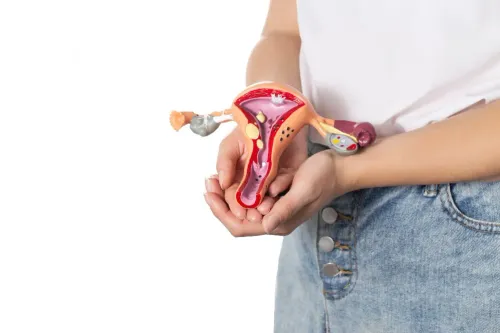
The consultation usually covers menstrual regularity, ovulation symptoms, previous pregnancies, infections, surgeries, medications and family history. The specialist may also ask about weight changes, excessive facial hair, acne, nipple discharge or thyroid-related symptoms.
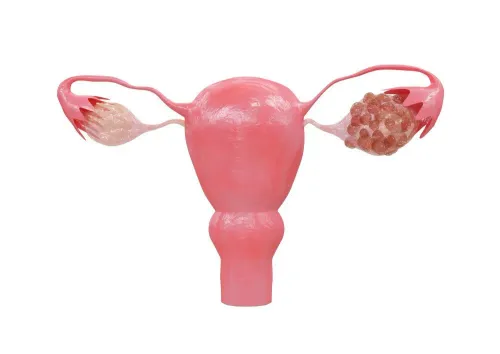
Investigations can include an ultrasound and selected blood tests. These may assess ovarian reserve, thyroid function, prolactin or evidence of ovulation. Tests should be timed and interpreted in the context of age and cycle history.
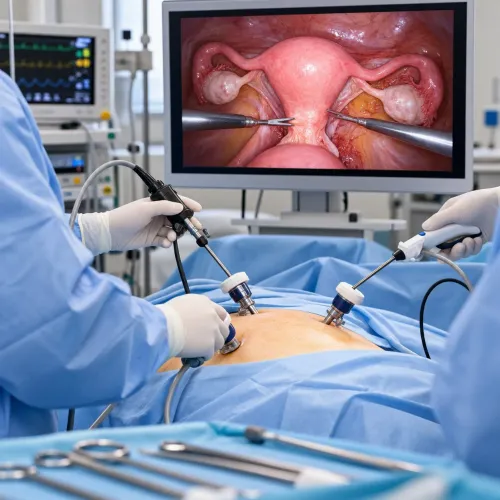
If required, the fallopian tubes may be evaluated. The clinician should explain why a particular test is needed, what it can show and whether there are alternatives.
The male partner’s assessment
Fertility is a couple-related matter. A semen analysis is often an important early investigation because male factors may contribute to delayed conception.
If an initial result is abnormal, it may need confirmation because semen parameters can vary. Further assessment may review medical history, medicines, previous infections, surgery, heat exposure, smoking and other relevant factors.
What treatment options may be discussed?
Treatment depends on the identified cause, duration of infertility, age and personal preferences. Possibilities can include:
- Timed intercourse with ovulation guidance
- Lifestyle and preconception measures
- Treatment of thyroid or hormonal conditions
- Ovulation-induction medicines with monitoring
- Management of uterine or tubal conditions
- Intrauterine insemination in selected cases
- Referral for in-vitro fertilisation when appropriate
No treatment can promise pregnancy. Couples should ask about realistic success rates for their circumstances, potential risks, monitoring requirements and total time commitment.
Questions to ask during the consultation
A clear fertility plan should answer four basic questions:
- What factors may be affecting conception?
- Which investigations are essential now?
- What is the least invasive suitable next step?
- When should the plan be reviewed or changed?
Dr. Vinisha Abhale, Obs and Gynaecologist can undertake an initial reproductive assessment and advise whether further fertility-focused treatment or referral is appropriate.
For couples in Chinchpokli, Byculla, Parel and other central Mumbai neighbourhoods, proximity can matter because some fertility investigations and monitored treatments require visits on specific cycle days.
The most useful first consultation is one that replaces guesswork with a structured plan. It should consider both partners, explain uncertainty honestly and support decisions that reflect the couple’s medical needs and preferences.
Keywords