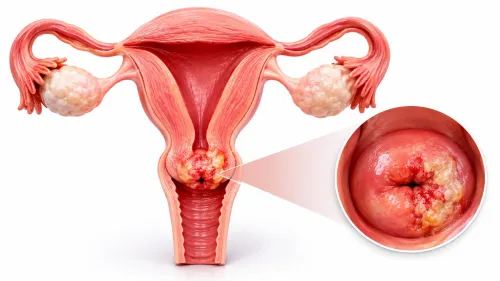

Start with the time you want to avoid pregnancy, then compare effectiveness, STI protection, bleeding changes, medical safety and how quickly fertility returns. By the end, you can narrow the family planning methods for couples in Mumbai to a practical shortlist and prepare focused questions for a clinician.
Key takeaways
- Choose contraception around the date you would welcome pregnancy.
- Compare typical-use effectiveness, not perfect-use claims alone.
- Tell your doctor about breastfeeding, medicines, health conditions and bleeding preferences.
- Discuss permanent contraception only after reviewing reversible alternatives and future fertility goals.
Choose by how long you want to avoid pregnancy
Start with the date you would welcome a pregnancy, then choose a method that can be stopped or continued until then. The best family planning methods for couples in Mumbai depend on whether you need protection for months, several years or the rest of your reproductive life.
| Plan | Suitable options | Important trade-off |
|---|---|---|
| Months | Condoms, combined or progestin-only pills, copper IUD, hormonal IUD or implant | Pills and condoms require consistent use; IUDs and implants avoid daily action and are reversible |
| Several years | Copper IUD, hormonal IUD or implant | These are long-acting and reversible, but require insertion and removal by a trained clinician |
| Permanent | Vasectomy or tubal sterilisation | Treat both as irreversible; neither protects against sexually transmitted infections |
An injection can suit a couple avoiding daily contraception, but fertility return can take up to one year after the last dose. That delay is temporary, not permanent infertility. Emergency contraception is backup after unprotected sex, not a dependable plan for ongoing pregnancy prevention.
Do not choose sterilisation while either partner feels unsure about future children. Discuss an IUD or implant first, especially if circumstances may change. A vasectomy does not work immediately: use another method until a post-vasectomy semen test confirms the clinician’s required result. Condoms remain important when STI protection is needed, regardless of the pregnancy-prevention method.
Compare real-world effectiveness and daily use
Typical-use failure rates show why methods that do not depend on daily or per-intercourse action work better in ordinary life. For couples comparing family planning options in Mumbai, use these figures as a practical guide, not a ranking of safety or suitability.
| Option | Typical-use pregnancies in first year | Daily use and practical trade-off |
|---|---|---|
| Condoms | About 13 per 100 users | Use a new condom for every act of sex; also reduces STI and HIV risk. |
| Pills | About 7 per 100 users | Take a combined or progestin-only pill on schedule; missed pills reduce protection. |
| IUDs | Fewer than 1 per 100 users | A clinician inserts a copper or hormonal IUD; no daily action, with bleeding changes possible. |
| Implants | Fewer than 1 per 100 users | A clinician places the implant under the arm; irregular bleeding is common, but removal restores control. |
| Injections | About 4 per 100 users | Repeat injections on schedule; fertility can take up to one year to return after the last dose. |
| Emergency contraception | Not a regular annual method | Take emergency pills as soon as possible and within five days; a copper IUD is another emergency option. |
Emergency contraception does not end an established pregnancy. Repeated use signals a need for a dependable ongoing method rather than a rescue cycle.
IUDs, implants, pills and injections do not protect against STIs. Add condoms after possible exposure or until both partners have tested. Ask what to do about bleeding or other side effects, and how quickly each method can be stopped.
Let your health, breastfeeding status and bleeding preferences guide the choice
Your health, breastfeeding status and tolerance for bleeding should decide the method—not a belief that one option is “stronger.” Tell the clinician about migraine with aura, previous blood clots or stroke, high blood pressure, smoking, liver disease and recent childbirth before choosing hormones containing oestrogen.
| Method | Medical factor or preference | Main trade-off |
|---|---|---|
| Combined pill, patch or ring | Avoid with migraine with aura, previous clot or stroke, uncontrolled hypertension, smoking at older reproductive ages and the early postpartum period; check blood pressure | Oestrogen-related clot risk; requires regular use |
| Progestin-only pill, implant or hormonal IUD | Often suits breastfeeding; discuss medicines and bleeding changes | Spotting or irregular bleeding can occur; hormonal IUD often makes periods lighter |
| Copper IUD | Suits people avoiding hormones | Can increase cramps and menstrual bleeding, especially initially |
| Injection | Suits people who do not want daily contraception | Irregular bleeding is common; fertility can take up to one year to return after the last injection |
Breastfeeding alone protects against pregnancy only when the baby is under six months, periods have not returned and feeds are exclusive or nearly exclusive and frequent. If one condition changes, use another method immediately.
Irregular bleeding does not automatically mean reduced protection, but seek care for heavy bleeding, severe pelvic pain, fever, a positive pregnancy test, chest pain or leg swelling. Condoms remain important when protection from sexually transmitted infections is needed.
Know when permanent contraception or fertility planning makes sense
Choose permanent contraception only when both partners are confident that they do not want a future pregnancy. If either person is uncertain, use a reversible method such as an IUD or implant while you decide.
| Option | Best fit | Important trade-off |
|---|---|---|
| Vasectomy | A couple certain they have completed their family | It is intended to be permanent; use contraception until a semen test confirms success |
| Tubal sterilisation | A woman certain she does not want pregnancy | It requires a procedure and reversal is difficult, costly and unreliable |
| Future pregnancy plan | A couple wanting children later | Choose reversible contraception and set a review date for trying to conceive |
Vasectomy and tubal sterilisation do not prevent sexually transmitted infections, so use condoms when STI protection is needed. Regret is more likely after sterilisation at a young age or during a stressful pregnancy-related event. Do not decide permanently during a crisis.
A fertility planning consultation in Mumbai can match contraception with your intended time to pregnancy. Bring clear information about:
- Your preferred month or year for trying to conceive
- Age, menstrual regularity and previous pregnancies
- Pelvic disease, testicular problems or fertility treatment
- Medicines, vaccinations and long-term health conditions
If pregnancy does not occur after 12 months of regular unprotected sex when the female partner is under 35, seek an infertility assessment; seek help after six months at age 35 or older. Go sooner for absent or irregular periods, suspected endometriosis, known tubal disease or possible male-factor infertility.
Prepare for a productive contraception consultation in Mumbai
A productive appointment starts with practical questions: Does the clinic provide IUD insertion and removal, emergency contraception, postpartum counselling, STI evaluation, vasectomy counselling, or infertility referrals? Ask about total cost, follow-up, side-effect management and how quickly the method can be stopped.
A “contraception doctor near me” search is only a starting point; confirm the service before travelling.
Ask the clinician to review:
- Migraine with aura, previous blood clots or stroke, high blood pressure, smoking, liver disease, breast cancer, medicines and allergies.
- Breastfeeding status, delivery or miscarriage dates, last menstrual period and pregnancy possibility.
- STI exposure, new partners and whether condoms remain necessary.
- Your preferred bleeding pattern and what you will do if bleeding changes, pain develops or you want removal.
Most people do not need a pelvic examination, ultrasound or blood tests before starting contraception.
| Method | Check usually needed | When extra assessment applies |
|---|---|---|
| Combined pill, patch or ring | Blood-pressure measurement; medical history | Avoid or reconsider with migraine with aura, clot history, stroke, uncontrolled hypertension, smoking at older reproductive ages or early postpartum use |
| Pills, implant, injection | Pregnancy assessment and medical history | Testing depends on uncertain dates, breastfeeding or recent unprotected sex |
| IUD | Pregnancy exclusion; pelvic examination for insertion | STI testing if risk exists; treat infection before insertion |
A birth control consultation in Mumbai with Dr.Vinisha Abhale -Obs & Gynaecologist can also separate contraception from fertility planning, which needs discussion of age, cycle regularity, medications and when you hope to conceive.
Related service
Family Planning Services by Dr. Vinisha Abhale Family planning helps couples make informed decisions about when and how many children to have. Dr. View service → |
Frequently asked questions
How should couples choose a family planning method by duration?
Choose condoms, pills or other short-term methods when you want flexibility. Consider an intrauterine device or contraceptive implant for protection lasting several years. Discuss sterilisation only when you are certain you do not want future pregnancies.
Which contraception options are most effective in real-world use?
Methods that do not require daily or per-intercourse action, such as intrauterine devices and implants, avoid many user errors. Compare typical-use effectiveness with how consistently you can use each method.
How do health and breastfeeding affect contraception choices?
Tell your doctor whether you are breastfeeding, taking medicines, or managing conditions such as migraine with aura, high blood pressure or a history of blood clots. These details can change which hormonal and non-hormonal methods are suitable.
When should couples discuss permanent contraception or fertility planning?
Discuss permanent contraception after you have reviewed reversible options and feel certain about not having more children. Arrange a fertility planning consultation when you want to delay pregnancy, have concerns about fertility, or need advice before treatment that could affect reproductive health.
Keywords