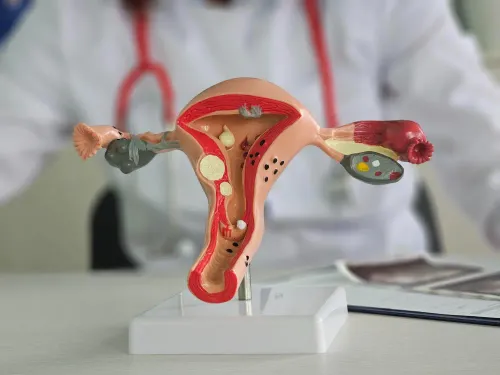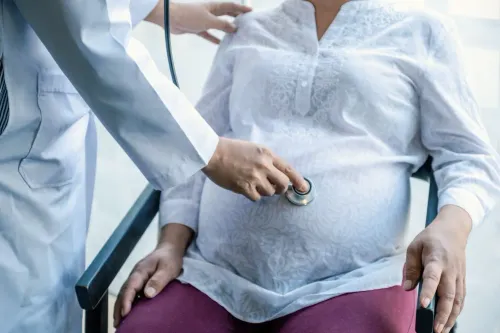
Women’s healthcare needs change considerably between the twenties, pregnancy years, postpartum period and the approach to menopause. Choosing the best gynaecologist in Lower Parel is therefore not simply about finding a doctor for an immediate symptom. It involves finding a specialist who can understand the present concern while considering reproductive plans, hormonal health, medical history and long-term wellbeing.
When should you consult a gynaecologist?
A gynaecological consultation is advisable when symptoms persist, affect daily life or represent a noticeable change from your usual pattern. Common reasons include:
- Irregular, painful or unusually heavy periods
- Bleeding between periods or after intercourse
- Persistent vaginal discharge, itching or discomfort
- Pelvic pain or pressure
- Difficulty conceiving
- Pregnancy confirmation and antenatal care
- Urinary leakage
- Menopausal symptoms
- Concerns about contraception or reproductive health
Annual preventive consultations can also help identify concerns before they become more difficult to manage. The appropriate frequency depends on age, symptoms, medical history and individual risk factors.
What happens during the first consultation?
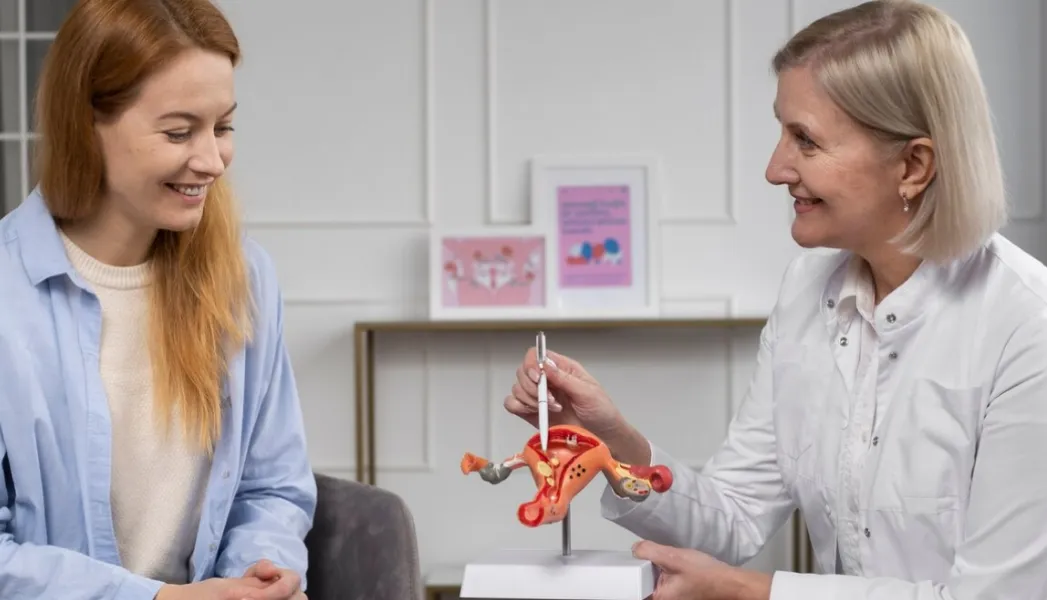
A thoughtful consultation usually begins with a detailed discussion rather than an immediate test or procedure. The doctor may ask about menstrual cycles, previous pregnancies, contraception, medications, surgeries, family history and current symptoms.
Depending on the concern, the assessment may include a physical examination, pelvic examination, blood tests, urine tests, ultrasound or cervical screening. Not every patient requires every investigation. Tests should be selected according to symptoms and clinical findings.
For example, irregular periods may require an evaluation of pregnancy status, thyroid function, prolactin levels, blood sugar or possible polycystic ovary syndrome. Heavy bleeding may need a blood count to check for anaemia along with imaging to look for fibroids, adenomyosis or other uterine conditions.
Care across different life stages
Women in their twenties may seek guidance about periods, contraception, infections, vaccination or preconception health. During the reproductive years, consultations may focus on fertility, pregnancy, childbirth and postpartum recovery.
Between the late thirties and forties, changes in bleeding patterns require careful evaluation. While hormonal fluctuations can occur during perimenopause, new or persistent bleeding should not automatically be dismissed as an age-related change.
After menopause, any vaginal bleeding needs prompt medical assessment. Symptoms such as vaginal dryness, urinary discomfort, sleep disturbance and hot flushes can also be discussed with a gynaecologist.
How to choose a suitable specialist
When evaluating a gynaecologist, consider whether the consultation provides:
- Sufficient time to explain symptoms and concerns
- Clear reasons for recommended investigations
- A treatment plan suited to your health and preferences
- Appropriate privacy and comfort during examination
- Guidance about warning signs and follow-up
- Access to maternity, imaging or surgical support when required
Working professionals in Lower Parel often value accessibility, organised appointments and continuity of care. Women travelling from Parel, Lalbaug, Worli or Prabhadevi may also prefer a conveniently located practice that makes follow-up visits manageable.
Dr. Vinisha Abhale, Obs and Gynaecologist provides consultations for women’s health, pregnancy-related concerns and gynaecological conditions. Suitability for any particular treatment is determined only after an individual clinical assessment.
Symptoms that should not be delayed
Seek prompt medical attention for severe pelvic pain, very heavy bleeding, fainting, fever with pelvic discomfort or bleeding during pregnancy. Pregnant women should also obtain urgent advice for reduced fetal movement, leaking fluid, severe headache, visual disturbance, breathlessness or sudden swelling.
A trusted gynaecologist should offer more than treatment for isolated symptoms. The goal is coordinated care that helps a woman understand her condition, evaluate available choices and make informed decisions at every stage of life.
Keywords