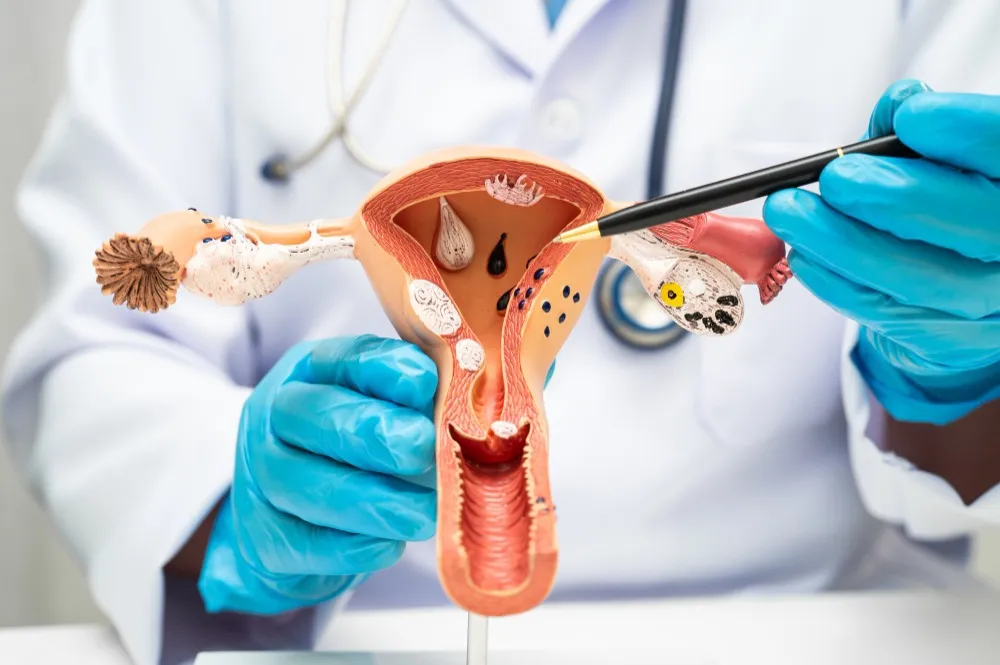
Unexpected bleeding can be stressful, but “irregular bleeding” covers many different patterns. It may mean frequent periods, bleeding between cycles, prolonged menstruation, spotting after intercourse or bleeding after menopause.
Effective irregular bleeding treatment in Worli begins by defining the pattern and identifying its cause. Treating the bleeding without understanding why it is occurring may provide only temporary relief.
What counts as abnormal bleeding?
A change deserves medical review when periods become considerably heavier, longer, more frequent or less predictable than usual. Bleeding between periods or after intercourse should also be discussed.
Bleeding after menopause is not considered a normal period and requires prompt assessment, even if it occurs only once.
Possible causes
Irregular bleeding may be related to:
- Pregnancy or pregnancy complications
- Polycystic ovary syndrome
- Thyroid or prolactin abnormalities
- Perimenopausal hormonal changes
- Fibroids, polyps or adenomyosis
- Infection involving the cervix or reproductive tract
- Certain contraceptives
- Blood-thinning medication
- Disorders affecting blood clotting
- Changes in the uterine lining or cervix
Stress and weight changes can influence menstrual cycles, but they should not automatically be assumed to be the cause of persistent bleeding.
What information helps the doctor?
Keeping a simple menstrual record can make the consultation more useful. Note the dates, duration and heaviness of bleeding along with associated pain. It is also helpful to record:
- Pregnancy possibility
- Contraceptive method
- Medicines and supplements
- Dizziness or shortness of breath
- Bleeding after intercourse
- Pelvic pain or discharge
- Recent weight changes
- Previous cervical screening results
Bring relevant prescriptions, blood-test reports and ultrasound findings if available.
Tests that may be recommended
The evaluation is personalised according to age, pregnancy possibility, severity and medical history. It may involve a pregnancy test, blood count, thyroid assessment, pelvic ultrasound, cervical examination or infection testing.
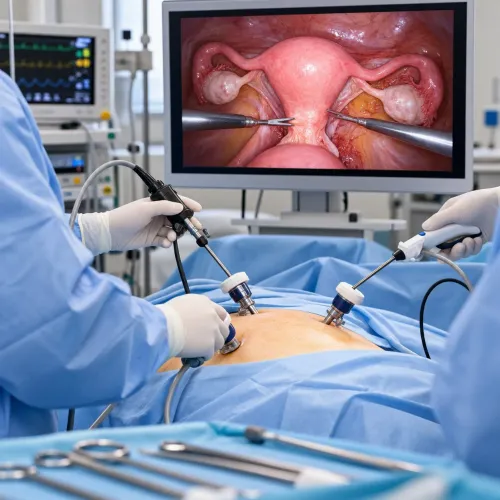
An endometrial biopsy or hysteroscopy may be considered when the uterine lining requires closer evaluation. Not every woman needs these procedures. Age, risk factors, bleeding pattern and imaging findings guide the decision.
How treatment is selected
If pregnancy is excluded and there is no emergency, treatment may focus on controlling bleeding while investigating or managing the underlying condition. Depending on the diagnosis, options may include:
- Non-hormonal medicines
- Hormonal tablets or devices
- Iron replacement for anaemia
- Treatment for infection
- Management of thyroid or ovulation disorders
- Removal of a uterine polyp
- Treatment for fibroids or adenomyosis
- A surgical procedure when conservative options are unsuitable
Dr. Vinisha Abhale, Obs and Gynaecologist can evaluate the bleeding pattern and explain why a particular investigation or treatment is being considered.
For working women in Worli and Lower Parel, irregular bleeding can disrupt commuting, meetings, exercise and sleep. Practical concerns such as treatment schedules, side effects and contraception requirements should form part of the discussion.
When bleeding is urgent
Go to an emergency facility if bleeding is extremely heavy, you feel faint, develop severe weakness, have intense abdominal pain or may be pregnant. Breathlessness, chest discomfort or a racing heartbeat may indicate significant blood loss.
Irregular bleeding is a symptom, not a final diagnosis. A structured assessment can distinguish a temporary cycle disturbance from a condition requiring targeted care and ongoing monitoring.
Keywords