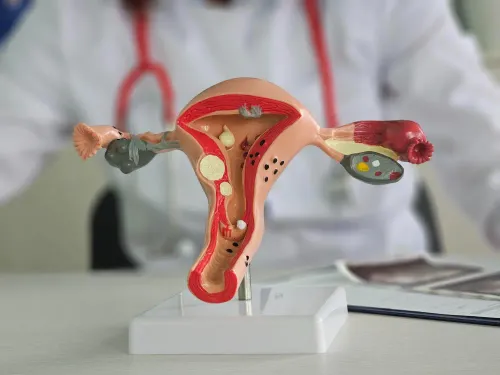

Many women postpone visiting a gynaecologist because they believe their symptoms are temporary, too minor to discuss, or simply a normal part of life. Busy schedules, fear of diagnosis, or uncertainty about when to seek medical care often contribute to these delays. However, ignoring early warning signs can allow treatable conditions to progress and may lead to more complex health problems.
Knowing when to consult a gynaecologist can protect your reproductive health, improve treatment outcomes, and provide peace of mind. Whether you are in your twenties, planning a pregnancy, or approaching menopause, regular gynaecological care is an essential part of maintaining overall well-being.
Unusual Menstrual Changes Should Never Be Ignored
Every woman's menstrual cycle is slightly different, but sudden or persistent changes deserve medical attention.
Schedule a consultation if you experience:
- Heavy menstrual bleeding
- Periods lasting longer than seven days
- Severe menstrual pain
- Bleeding between periods
- Missed periods without pregnancy
- Irregular menstrual cycles
- Bleeding after menopause
These symptoms may be associated with hormonal imbalances, fibroids, polyps, thyroid disorders, or other conditions that require evaluation.
Persistent Pelvic Pain Needs Proper Assessment
Occasional mild discomfort during menstruation is common, but ongoing pelvic pain is not something you should simply tolerate.
Persistent pain may be linked to:
- Endometriosis
- Ovarian cysts
- Pelvic inflammatory disease
- Fibroids
- Urinary conditions
- Other gynaecological disorders
Early diagnosis can help prevent complications while reducing long-term discomfort.
Changes in Vaginal Discharge or Infection Symptoms
A healthy vaginal environment naturally produces discharge, but noticeable changes may indicate an infection or another underlying condition.
Consult a gynaecologist if you notice:
- Strong or unpleasant odour
- Persistent itching
- Burning sensation
- Thick or unusual discharge
- Pain during urination
- Recurring infections
Accurate diagnosis is important because different infections require different treatments. Self-medication may temporarily relieve symptoms without addressing the actual cause.
Difficulty Conceiving After Trying Naturally
If pregnancy does not occur despite regular unprotected intercourse, professional evaluation may be beneficial.
Generally, couples should consider medical advice if:
- They have tried to conceive for one year without success and the woman is under 35 years of age.
- They have tried for six months when the woman is 35 years or older.
- There is a history of recurrent miscarriage.
- Known reproductive health conditions are present.
Early fertility assessment often provides more treatment options and better planning.
Pregnancy Requires Regular Medical Supervision
Once pregnancy is confirmed, routine antenatal care becomes essential.
Regular appointments help monitor:
- Fetal growth
- Maternal health
- Blood pressure
- Blood sugar levels
- Nutritional status
- Pregnancy-related complications
Seeking medical care early in pregnancy contributes to healthier outcomes for both mother and baby.
Don't Ignore Urinary or Pelvic Floor Symptoms
Many women believe bladder leakage or pelvic discomfort is a normal consequence of childbirth or ageing. In reality, these symptoms often respond well to medical treatment.
Arrange a consultation if you experience:
- Urine leakage while coughing or sneezing
- Frequent urgency to urinate
- Pelvic pressure
- Difficulty emptying the bladder
- Recurrent urinary infections
Early intervention often prevents symptoms from becoming more severe.
Routine Preventive Screening Is Equally Important
Not every gynaecology appointment is prompted by symptoms.
Regular preventive care may include:
- Pelvic examinations
- Pap smear screening
- Breast health assessment
- Family planning guidance
- Menopause counselling
- General reproductive health reviews
These routine visits help identify health concerns before they become more serious.
What to Expect During Your Consultation
Many women delay appointments because they are unsure what will happen during a visit.
A consultation typically includes:
- Discussion of symptoms and medical history
- Review of menstrual health
- Physical examination when appropriate
- Recommended investigations if required
- Explanation of diagnosis
- Personalised treatment plan
Open communication allows you to ask questions and understand every aspect of your care.
Why Early Medical Attention Makes a Difference
Delaying treatment can allow otherwise manageable conditions to progress.
Seeking timely medical advice may help:
- Detect health conditions early
- Preserve fertility
- Reduce chronic pain
- Prevent complications
- Improve treatment outcomes
- Support long-term reproductive health
Many gynaecological conditions are easier to manage when diagnosed in their early stages.
Choosing a Trusted Gynaecologist for Lifelong Women's Healthcare
Women across Mumbai benefit from having a trusted gynaecologist who provides continuity of care throughout different stages of life. From adolescence and pregnancy to menopause, regular consultations support preventive healthcare, early diagnosis, and personalised treatment based on individual needs.
Dr. Vinisha Abhale, Obs and Gynaecologist offers comprehensive women's healthcare with a patient-centred approach that focuses on prevention, accurate diagnosis, and evidence-based treatment. Whether you need routine screening, pregnancy care, fertility guidance, or treatment for a gynaecological condition, timely medical attention can help you maintain your health and confidence at every stage of life.
Keywords