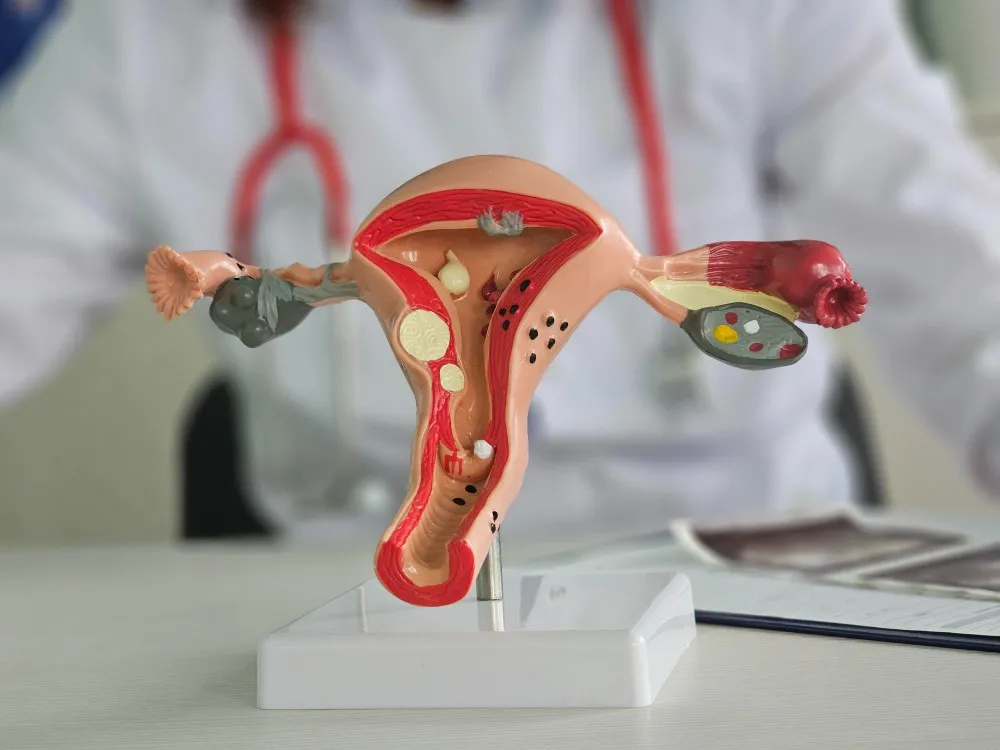
Uterine fibroids are non-cancerous growths that develop from the muscle of the uterus. Some are discovered incidentally and never cause difficulty. Others may contribute to heavy periods, pelvic pressure, anaemia, fertility concerns or pregnancy-related complications.
Fibroids uterus treatment in Prabhadevi should therefore be selected according to symptoms, fibroid characteristics, age and future pregnancy plans not simply because a scan has detected a fibroid.
Symptoms associated with fibroids
The impact of a fibroid depends partly on its size and location. Possible symptoms include:
- Heavy or prolonged menstrual bleeding
- Passing large clots
- Tiredness caused by iron-deficiency anaemia
- Pelvic heaviness or pressure
- Frequent urination
- Constipation
- Pain during intercourse
- Abdominal enlargement
- Reproductive difficulty in selected cases
These symptoms can also occur with adenomyosis, endometriosis and other conditions. Clinical evaluation is important before attributing every concern to fibroids.
How fibroids are evaluated
Assessment generally begins with menstrual, pregnancy and medical history. A pelvic examination and ultrasound can provide information about the number, location and approximate size of fibroids.
Blood tests may be advised when bleeding is heavy, particularly to check haemoglobin and iron status. Further imaging or evaluation of the uterine cavity may be considered when ultrasound findings do not fully explain symptoms or when fertility treatment is being planned.
A fibroid located within or projecting into the uterine cavity may have a different effect from one growing on the outer surface. The report needs to be interpreted alongside symptoms.
When monitoring may be enough
A small fibroid that causes no significant symptoms may only require observation. Monitoring can include symptom review and repeat imaging when clinically indicated.
Treatment is not automatically necessary merely because a fibroid exists. Women approaching menopause may also find that certain fibroids become less troublesome as hormone levels change, although new or persistent symptoms still need assessment.
Medicines for symptom control
Medication may be used to reduce heavy bleeding, period pain or related symptoms. Options depend on general health, contraception needs and plans for pregnancy.
Some medicines improve bleeding without removing the fibroid. Other hormone-based treatments may temporarily reduce symptoms or fibroid volume. Benefits, side effects and limitations should be discussed before treatment begins.
Women with anaemia may also need iron replacement and dietary guidance.
When a procedure may be considered
A procedure may be discussed if symptoms are severe, medication is ineffective, fertility is affected or the fibroid creates significant pressure. Options vary and can include hysteroscopic treatment, myomectomy, uterine artery embolisation or hysterectomy.
Each option has a different purpose:
- Hysteroscopic treatment may suit selected fibroids affecting the uterine cavity.
- Myomectomy removes fibroids while preserving the uterus.
- Uterine artery embolisation reduces the fibroid’s blood supply but is not suitable for everyone.
- Hysterectomy removes the uterus and is considered only when appropriate to the woman’s condition and completed reproductive plans.
Dr. Vinisha Abhale, Obs and Gynaecologist can review symptoms and imaging before discussing suitable treatment pathways.
Women from Prabhadevi, Worli, Lower Parel and nearby parts of Mumbai should seek urgent care if heavy bleeding causes fainting, breathlessness, chest discomfort or marked weakness. Severe sudden pelvic pain also warrants prompt assessment.
The best fibroid plan is not necessarily the most aggressive one. It is the option that addresses the woman’s symptoms while respecting fertility goals, treatment preferences and long-term health.
Keywords