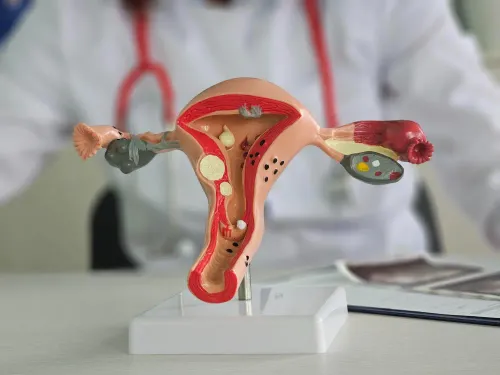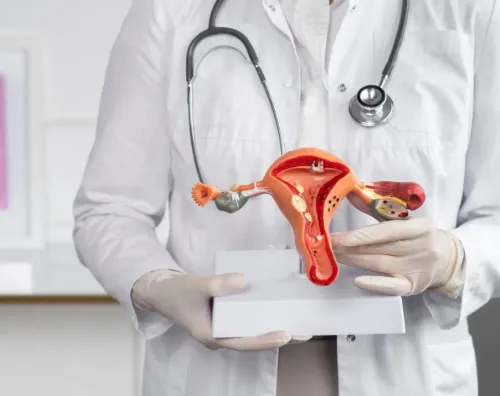
Uterine fibroids are one of the most common non-cancerous growths affecting women during their reproductive years. While some fibroids remain small and cause no symptoms, others can lead to heavy menstrual bleeding, pelvic discomfort, fertility challenges, and pressure on nearby organs. If you are looking for fibroids uterus treatment in Byculla, understanding the condition and knowing when to seek medical attention can help you make informed decisions about your health.
Many women discover fibroids during a routine gynaecological examination, while others seek medical advice only after symptoms begin interfering with daily life. Recognizing the signs early allows for timely diagnosis and a wider range of treatment options.
What Are Uterine Fibroids?
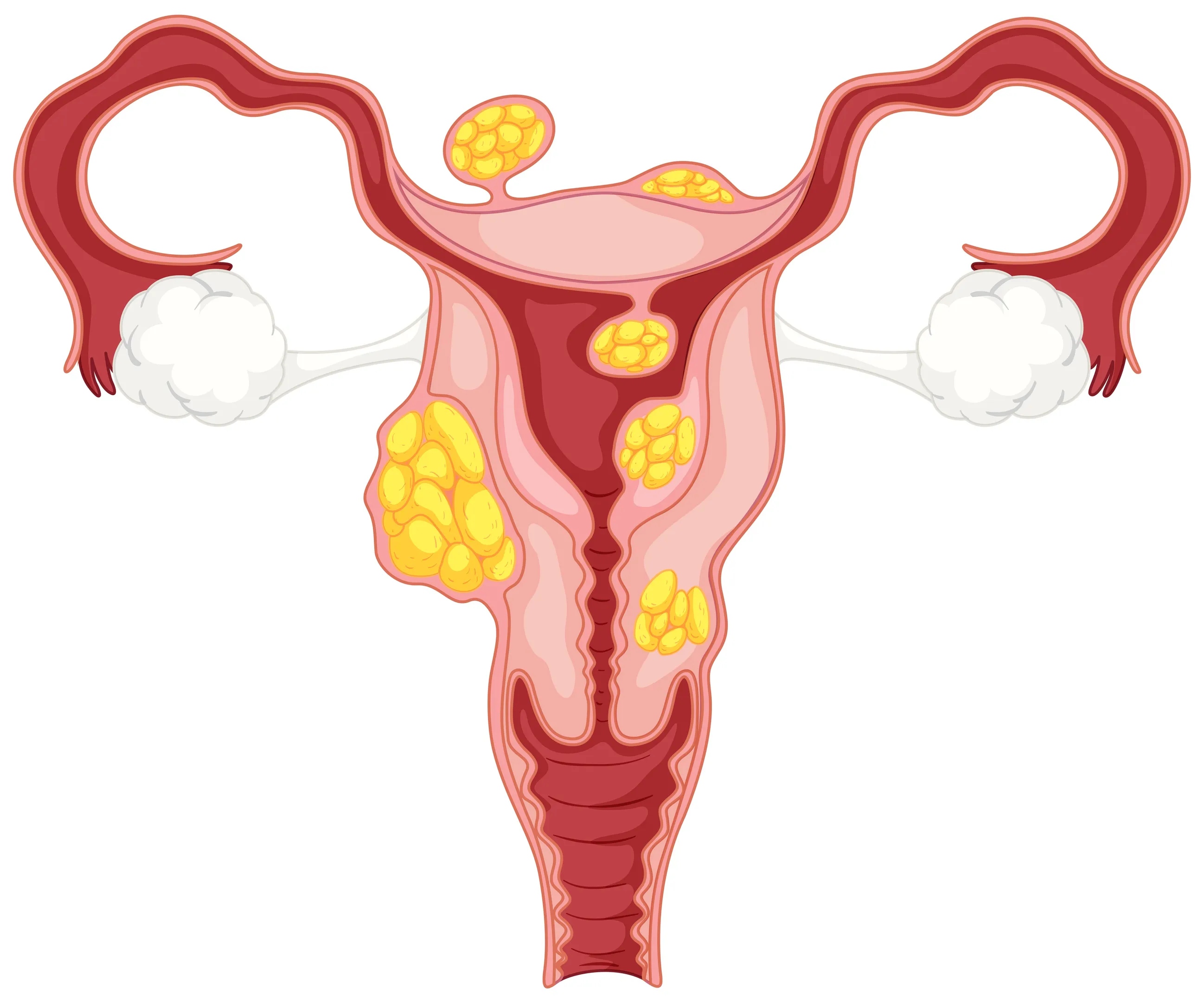
Fibroids, also known as uterine leiomyomas, are growths that develop within or around the uterus. They vary greatly in size, number, and location. Some women may have a single fibroid, while others develop multiple growths over time.
Depending on where they are located, fibroids can affect menstrual cycles, pregnancy, and overall reproductive health. Although they are generally non-cancerous, they should still be evaluated by a qualified gynaecologist to determine whether treatment is necessary.
Common Symptoms of Uterine Fibroids
Not every fibroid produces noticeable symptoms. However, larger or multiple fibroids may lead to problems that should not be ignored.
Common symptoms include:
- Heavy or prolonged menstrual bleeding
- Pelvic pain or pressure
- Frequent urination
- Constipation caused by pressure on the bowel
- Lower back pain
- Pain during intercourse
- Abdominal swelling or a feeling of fullness
- Difficulty becoming pregnant in some cases
If these symptoms persist, a medical evaluation can help identify whether fibroids are the underlying cause.
Who Is More Likely to Develop Fibroids?
Although fibroids can affect women of various ages, certain factors may increase the likelihood of developing them.
These include:
- Age between 30 and 50 years
- Family history of fibroids
- Early onset of menstruation
- Hormonal changes involving estrogen and progesterone
- Obesity
- High blood pressure
- Lifestyle and dietary factors
Having one or more risk factors does not necessarily mean you will develop fibroids, but regular health check-ups can support early detection.
How Are Fibroids Diagnosed?
A gynaecologist begins by discussing your symptoms, menstrual history, and overall health. This is usually followed by a physical examination.
Additional investigations may include:
- Pelvic ultrasound
- Transvaginal ultrasound
- MRI scan in selected cases
- Blood tests if heavy bleeding has caused anaemia
- Hysteroscopy when further evaluation is required
These investigations help determine the size, number, and location of fibroids, allowing treatment to be tailored to your individual needs.
Do All Fibroids Require Treatment?
No. Many women with small, symptom-free fibroids only require regular monitoring.
Treatment is generally recommended when fibroids:
- Cause excessive menstrual bleeding
- Lead to chronic pelvic pain
- Affect fertility
- Grow rapidly
- Compress nearby organs
- Interfere with normal daily activities
The decision depends on factors such as age, symptoms, future pregnancy plans, and overall health.
Treatment Options for Uterine Fibroids
Modern gynaecology offers several approaches to managing fibroids. The most suitable option depends on each patient's condition.
Treatment may include:
Medication
Medicines may help control symptoms such as heavy bleeding and pelvic pain while managing hormonal influences on fibroid growth.
Minimally Invasive Procedures
Certain fibroids can be treated using advanced minimally invasive techniques that reduce recovery time and minimise surgical discomfort.
Laparoscopic Surgery
For women requiring surgical removal of fibroids, laparoscopic procedures often involve smaller incisions, less postoperative pain, and faster recovery compared with traditional open surgery.
Hysterectomy
In selected situations where fibroids are severe and family planning is complete, removal of the uterus may be discussed after considering all available options.
Can Fibroids Affect Pregnancy?
Many women with fibroids experience healthy pregnancies. However, depending on their size and location, fibroids may occasionally increase the risk of complications such as:
- Miscarriage
- Breech presentation
- Preterm labour
- Placental problems
- Caesarean delivery
Women planning pregnancy should discuss fibroid management with their gynaecologist to determine whether treatment is advisable before conception.
Healthy Habits That Support Women's Reproductive Health
Although lifestyle changes cannot eliminate fibroids, maintaining overall health may support better symptom management.
Helpful habits include:
- Maintaining a healthy body weight
- Eating a diet rich in fruits and vegetables
- Exercising regularly
- Managing stress effectively
- Attending routine gynaecological check-ups
- Seeking medical advice when menstrual changes occur
These measures contribute to better reproductive health and overall well-being.
Why Choosing Nearby Specialist Care Matters
Women living in Byculla often prefer consulting a nearby gynaecologist because fibroid management may involve multiple appointments for diagnosis, imaging, treatment planning, and follow-up. Convenient access encourages consistent care and makes ongoing monitoring easier.
Taking Control of Your Uterine Health
Uterine fibroids are common, but they should never be ignored when they begin affecting your quality of life. Early diagnosis allows for more treatment choices and helps prevent complications related to heavy bleeding, pain, or fertility concerns.
Dr. Vinisha Abhale, Obs and Gynaecologist provides comprehensive evaluation and personalized treatment for women experiencing uterine fibroids and other gynaecological conditions. By combining careful diagnosis with evidence-based treatment planning, the practice supports women across Mumbai in making informed decisions that protect their reproductive health and overall well-being.
Keywords