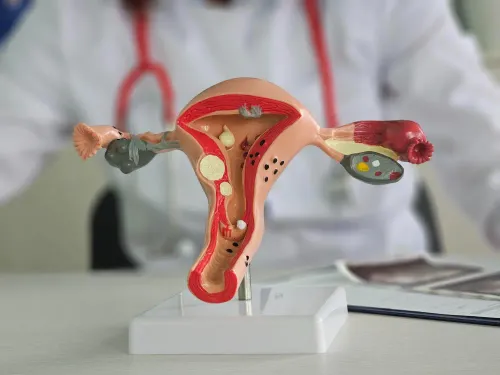

Menopause is a natural stage in every woman's life, marking the end of her reproductive years. While it is a normal biological transition, the physical and emotional changes associated with menopause can vary significantly from one woman to another. Some experience only mild discomfort, while others find that symptoms affect their daily routine, work, sleep, and overall quality of life. If you are looking for a menopause clinic in Mumbai, understanding the changes your body goes through can help you seek the right care at the right time.
Professional medical guidance can make menopause easier to manage by addressing symptoms, reducing health risks, and supporting long-term well-being.
What Is Menopause?
Menopause is diagnosed when a woman has not had a menstrual period for 12 consecutive months. It usually occurs between the ages of 45 and 55, although the exact age varies for each individual.
The transition toward menopause, known as perimenopause, may begin several years earlier. During this phase, hormone levels fluctuate, causing irregular menstrual cycles and various physical and emotional symptoms.
Common Symptoms of Menopause
The decline in estrogen levels can affect multiple systems in the body.
Women commonly experience:
- Hot flashes
- Night sweats
- Irregular menstrual cycles
- Vaginal dryness
- Mood changes
- Sleep disturbances
- Reduced energy levels
- Difficulty concentrating
- Joint and muscle discomfort
- Decreased sexual desire
Not every woman experiences all of these symptoms, and their intensity can differ greatly.
Why Do Menopausal Symptoms Vary?
Hormonal changes affect each woman differently depending on factors such as:
- Overall health
- Genetics
- Lifestyle habits
- Existing medical conditions
- Stress levels
- Body weight
Because symptoms are highly individual, treatment should always be personalized rather than based on a standard approach.
Health Concerns After Menopause
Beyond symptom relief, menopause care also focuses on preventing long-term health complications associated with declining hormone levels.
Regular medical care helps monitor:
- Bone health and osteoporosis risk
- Heart health
- Weight management
- Blood pressure
- Diabetes risk
- Pelvic floor health
- Urinary symptoms
- Breast and cervical health
Routine health assessments become increasingly important during this stage of life.
When Should You Visit a Menopause Clinic?
Many women tolerate mild symptoms without medical treatment. However, professional evaluation is recommended if menopause begins affecting your quality of life.
Consider consulting a specialist if you experience:
- Frequent hot flashes
- Severe night sweats
- Persistent sleep problems
- Heavy or irregular bleeding during perimenopause
- Pain during intercourse
- Vaginal dryness affecting daily comfort
- Mood changes or anxiety
- Urinary leakage or frequent infections
These symptoms can often be managed effectively with appropriate treatment.
Treatment Options for Menopause
Menopause treatment depends on the severity of symptoms, medical history, and personal preferences.
Your doctor may recommend:
Lifestyle Modifications
Healthy lifestyle changes often provide significant symptom relief.
These include:
- Regular physical activity
- Balanced nutrition
- Adequate calcium and vitamin D intake
- Maintaining a healthy weight
- Stress management techniques
- Good sleep hygiene
Non-Hormonal Treatment
Certain symptoms may improve with medications that do not involve hormone therapy, particularly for women who are not suitable candidates for hormonal treatment.
Hormone Replacement Therapy
Hormone therapy may be considered for selected women after carefully evaluating the benefits, risks, medical history, and individual health profile.
Your doctor will determine whether this option is appropriate based on your overall condition.
Importance of Regular Health Screenings
Even after menopause, preventive healthcare remains essential.
Routine screening may include:
- Pelvic examinations
- Pap smear testing
- Breast examinations
- Bone density assessment
- Blood pressure monitoring
- Blood sugar evaluation
- Cholesterol testing
These check-ups support early detection of health concerns and promote healthy ageing.
Maintaining a Healthy Lifestyle During Menopause
Daily habits can make a noticeable difference in managing menopausal symptoms.
Helpful practices include:
- Staying physically active
- Drinking adequate water
- Limiting caffeine if it worsens hot flashes
- Avoiding smoking
- Eating a nutrient-rich diet
- Prioritising mental well-being
- Attending regular medical reviews
Small, consistent lifestyle adjustments often improve comfort and overall health.
Why Choose a Dedicated Menopause Clinic?
Women across Mumbai increasingly seek specialised menopause care because this stage of life involves more than symptom management. Comprehensive care focuses on hormonal health, preventive screening, emotional well-being, and reducing future health risks.
Having a trusted gynaecologist ensures that treatment decisions are based on individual needs rather than assumptions about ageing.
Supporting Women's Health Beyond the Reproductive Years
Menopause is not a medical condition to fear—it is a natural transition that deserves informed care and personalised attention. With the right guidance, women can continue to enjoy active, healthy, and fulfilling lives while effectively managing menopausal changes.
Dr. Vinisha Abhale, Obs and Gynaecologist offers comprehensive menopause care for women across Mumbai, providing personalised treatment plans, preventive health screening, and ongoing support tailored to each stage of the menopausal journey. Through compassionate, evidence-based care, women receive the guidance they need to navigate menopause with greater confidence and improved quality of life.
Keywords