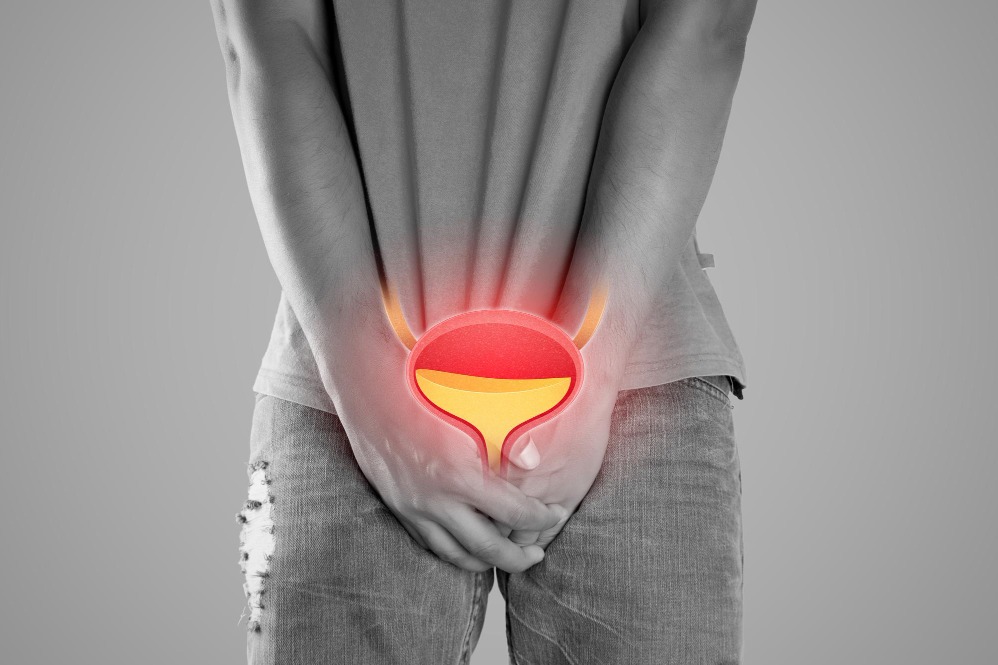
Urinary incontinence is the involuntary leakage of urine. It can occur while coughing, exercising or lifting, or it may follow a sudden urge that is difficult to control. Although common, leakage should not be accepted as an unavoidable consequence of childbirth or ageing.
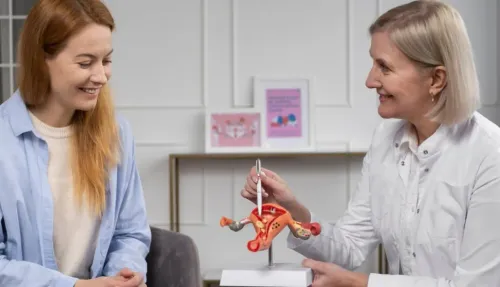
A urine incontinence specialist in Byculla can determine the type of leakage and recommend treatment that matches its cause and severity.
Common types of urinary leakage
Stress urinary incontinence occurs when pressure on the bladder rises during coughing, sneezing, laughing, running or lifting.
Urgency urinary incontinence involves a sudden compelling need to urinate followed by leakage. It may occur with urinary frequency or repeated night-time visits to the toilet.
Mixed incontinence includes features of both stress and urgency leakage.
Some women experience overflow symptoms, difficulty emptying the bladder or leakage related to a pelvic organ prolapse. These patterns require different assessments.
What can contribute to incontinence?
Pregnancy and vaginal childbirth may weaken or stretch the pelvic-floor tissues. Other contributing factors include menopause, excess body weight, chronic coughing, constipation, pelvic surgery and certain neurological conditions.
Urinary infection can cause urgency and leakage, but persistent symptoms should not repeatedly be treated as infection without appropriate testing.
How the problem is assessed
The doctor usually asks when leakage occurs, how often pads are needed and whether there is urgency, pain, blood in the urine or difficulty emptying the bladder. Previous pregnancies, deliveries, surgeries and medicines are also relevant.
A bladder diary can provide useful information. For several days, record:
- The time and approximate amount of fluid consumed
- Each visit to the toilet
- Episodes of urgency
- Leakage and the activity associated with it
- Night-time urination
Depending on symptoms, evaluation may include urine testing, pelvic examination and assessment of pelvic-floor strength or prolapse. Additional bladder testing is reserved for selected cases.
Conservative treatment options
Many women begin with non-surgical management. This may include supervised pelvic-floor muscle training, bladder training, management of constipation and adjustment of fluid habits.
Reducing excessive caffeine may help urgency symptoms. However, severely restricting water can concentrate urine and worsen bladder irritation. Advice should be individualised.
Pelvic-floor exercises need correct technique and consistent practice. Simply tightening the abdominal or buttock muscles does not necessarily train the pelvic floor effectively.
Medicines and procedures
Medication may help selected women with urgency incontinence. The doctor should discuss possible side effects and interactions with other health conditions.
When stress incontinence remains troublesome despite conservative treatment, procedural or surgical options may be considered. The appropriate choice depends on examination findings, severity, future pregnancy plans and personal preference.
Dr. Vinisha Abhale, Obs and Gynaecologist can perform an initial assessment and guide further pelvic-floor or specialist care when required.
Women travelling from Byculla, Chinchpokli, Sewree and central Mumbai may appreciate a nearby consultation because bladder treatment often involves follow-up rather than a single appointment.
Seek prompt evaluation if leakage is accompanied by fever, severe back pain, visible blood in the urine, inability to pass urine, new leg weakness or numbness around the genital region.
Urinary incontinence is a health condition with several management options. Accurate classification is the first step towards choosing treatment that can improve comfort, confidence and everyday activity.
Keywords