Advancements in medical technology have transformed the way many gynaecological conditions are treated. One of the most significant developments is laparoscopic surgery, a minimally invasive technique that allows surgeons to diagnose and treat various conditions through small incisions instead of traditional open surgery. If you are searching for a laparoscopy gynaec surgeon in Mumbai, understanding when laparoscopy is recommended and how to choose the right specialist can help you make informed healthcare decisions.
Laparoscopic surgery is widely used for diagnosing pelvic conditions, treating reproductive disorders, and performing several gynaecological procedures with reduced recovery time and minimal discomfort.
What Is Laparoscopic Gynaec Surgery?
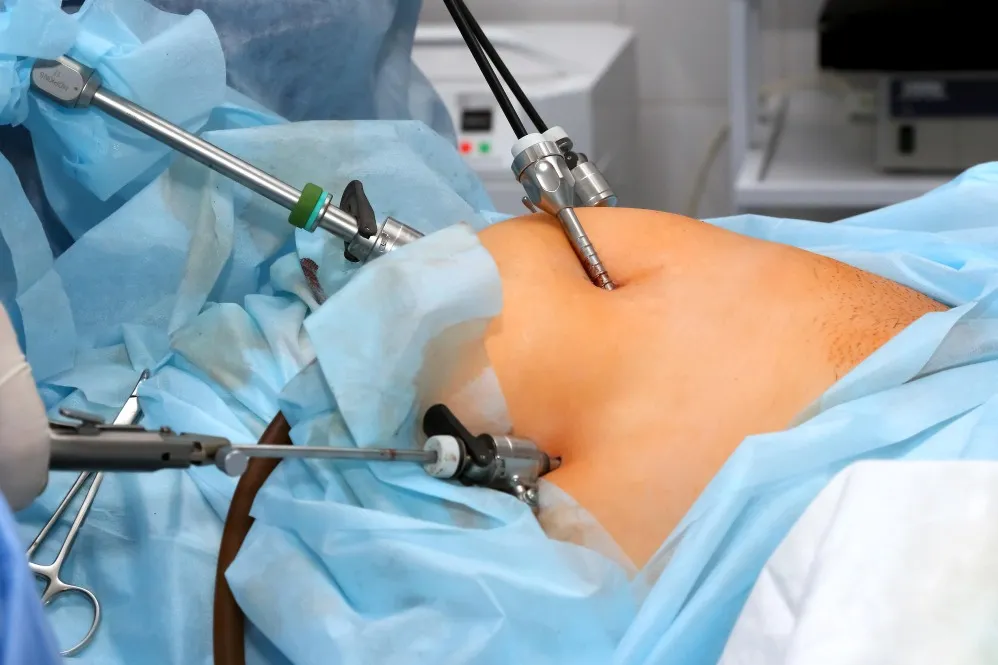
Laparoscopy is a surgical procedure that uses a thin, lighted instrument called a laparoscope to view and operate inside the pelvis through very small incisions. The camera attached to the laparoscope provides a magnified view, allowing the surgeon to perform delicate procedures with greater precision.
Compared with conventional open surgery, laparoscopy usually involves:
- Smaller surgical incisions
- Less blood loss
- Reduced postoperative pain
- Lower risk of infection
- Faster recovery
- Shorter hospital stay
- Minimal scarring
The suitability of laparoscopy depends on the patient's condition and medical history.
Which Conditions Can Be Treated with Laparoscopy?
Laparoscopic surgery is commonly recommended for several gynaecological conditions.
These include:
- Ovarian cysts
- Uterine fibroids
- Endometriosis
- Ectopic pregnancy
- Pelvic adhesions
- Certain infertility-related conditions
- Chronic pelvic pain
- Selected hysterectomy procedures
Your gynaecologist will determine whether laparoscopic treatment is the most appropriate option after a thorough evaluation.
When Might Your Doctor Recommend Laparoscopy?
Not every gynaecological condition requires surgery. However, laparoscopy may be advised when:
- Medications have not relieved symptoms
- Imaging tests require further evaluation
- Fibroids or ovarian cysts are causing significant discomfort
- Endometriosis is suspected
- Fertility investigations require direct assessment
- Persistent pelvic pain remains unexplained
- Surgical treatment offers the best long-term outcome
The decision is always based on your symptoms, diagnosis, age, and future reproductive plans.
Benefits of Choosing a Skilled Laparoscopic Surgeon
Laparoscopic procedures require advanced surgical training, precision, and experience. Selecting a qualified surgeon contributes significantly to both safety and successful outcomes.
An experienced laparoscopic gynaec surgeon focuses on:
- Accurate diagnosis
- Individualized treatment planning
- Modern surgical techniques
- Patient safety
- Clear communication before and after surgery
- Comprehensive postoperative care
Patients also benefit from understanding the procedure, expected recovery, and follow-up requirements before surgery.
What Happens Before the Procedure?
Preparation begins with a detailed consultation.
Your doctor may recommend:
- Physical examination
- Pelvic ultrasound
- Blood investigations
- Additional imaging if required
- Review of current medications
- Anaesthesia assessment
You will also receive instructions regarding fasting, medication adjustments, and postoperative recovery planning.
What Is Recovery Like After Laparoscopic Surgery?
Recovery varies depending on the type of procedure performed, but most women recover more quickly than they would after traditional open surgery.
During recovery, you may experience:
- Mild abdominal discomfort
- Temporary shoulder pain caused by surgical gas
- Slight fatigue
- Minor swelling around incision sites
Most patients gradually return to normal daily activities within a relatively short period, although strenuous activities should only be resumed after medical approval.
Attending follow-up appointments ensures that healing is progressing as expected.
Questions to Ask Before Choosing a Surgeon
Making an informed decision begins with asking the right questions during your consultation.
Consider discussing:
- Whether laparoscopy is the most suitable treatment
- Expected benefits and possible risks
- Recovery timeline
- Future pregnancy considerations
- Alternative treatment options
- Follow-up care requirements
A good surgeon encourages questions and explains treatment options in language that patients can easily understand.
Why Timely Surgical Evaluation Matters
Delaying treatment for certain gynaecological conditions may lead to worsening symptoms, ongoing pain, fertility concerns, or complications that become more difficult to manage.
Seeking evaluation early may help:
- Preserve reproductive health
- Reduce chronic pelvic pain
- Prevent disease progression
- Improve quality of life
- Support faster recovery through timely intervention
Early consultation does not automatically mean surgery is required—it simply allows appropriate treatment planning based on your condition.
Choosing the Right Laparoscopy Gynaec Surgeon in Mumbai
Women across Mumbai often look for a specialist who combines clinical expertise with compassionate, patient-centred care. Beyond surgical skill, it is important to choose a gynaecologist who carefully evaluates whether surgery is truly necessary and discusses every available treatment option before making recommendations.
Comprehensive care includes detailed diagnosis, transparent communication, personalised treatment planning, and continued support throughout recovery.
Making Informed Decisions About Advanced Gynaecological Care
Laparoscopic surgery has transformed the treatment of many women's health conditions by offering a less invasive approach with quicker recovery and excellent clinical outcomes for suitable patients. Choosing the right specialist ensures that every decision is based on your individual health needs rather than a one-size-fits-all approach.
Dr. Vinisha Abhale, Obs and Gynaecologist provides advanced evaluation and minimally invasive gynaecological care for women across Mumbai. By combining modern laparoscopic techniques with evidence-based treatment and personalised attention, she helps patients receive appropriate surgical care while prioritising safety, comfort, and long-term reproductive health.
Keywords