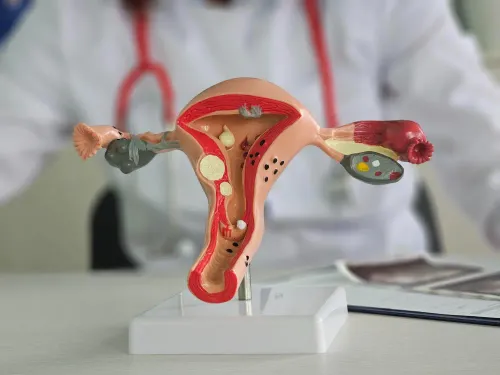
A Pap smear is a preventive test that looks for abnormal changes in cells collected from the cervix. These changes may develop without pain, discharge or other obvious symptoms, which is why cervical screening is important even when a woman feels well.
Visiting a Pap smear clinic in Sewree gives eligible women an opportunity to discuss screening history, understand the procedure and arrange appropriate follow-up if a result requires further evaluation.
What a Pap smear can detect
During the test, a small sample of cervical cells is collected and sent for laboratory examination. Depending on the screening method and clinical recommendation, testing may also assess high-risk types of human papillomavirus, commonly called HPV.
HPV is common and often clears naturally. A positive HPV result does not by itself mean that a woman has cervical cancer. It indicates that follow-up should be planned according to the HPV type, cellular findings and applicable screening guidance.
Who should be screened?
Screening eligibility and intervals depend on age, previous results, medical history and national recommendations. Women who have received HPV vaccination may still require routine screening.
A different schedule may be needed after an abnormal result or for women with certain immune conditions. Those who have undergone removal of the uterus should ask whether the cervix was also removed and whether continued screening is necessary.
A clinician should confirm the appropriate schedule rather than applying the same interval to every woman.
What happens during the appointment?
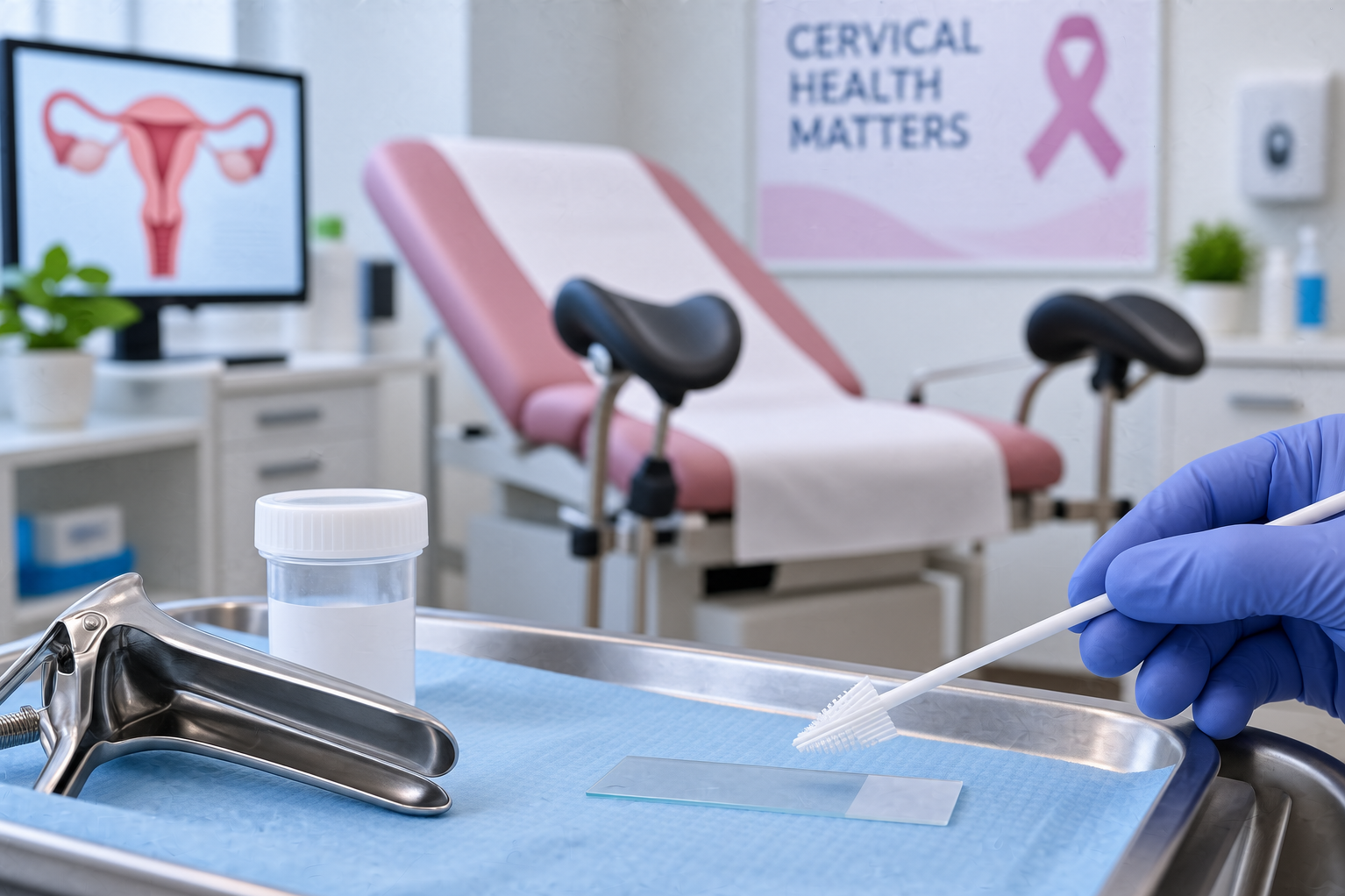
The woman lies on an examination table while a speculum is gently inserted so the cervix can be seen. A soft brush or sampling instrument is then used to collect cells. The procedure usually takes only a few minutes.
Some women experience pressure or brief discomfort. Inform the doctor if you have pelvic pain, anxiety about examinations, vaginal dryness or a previous difficult experience. A smaller speculum, slower approach or altered positioning may improve comfort.
Preparing for a Pap smear
The clinic may advise scheduling when menstrual bleeding is not heavy. Before attending, ask whether vaginal medicines or intercourse need to be avoided for a short period, as instructions can differ.
Bring previous cervical screening reports, especially if an abnormality was once detected. It is also useful to mention pregnancy, recent childbirth, menopause, unusual bleeding or current vaginal symptoms.
Understanding the result
A normal result generally means routine screening can continue at the recommended interval. An unclear or inadequate sample may need to be repeated.
An abnormal result does not automatically indicate cancer. Depending on the findings, the next step may be repeat testing, HPV assessment, colposcopy or a biopsy. Colposcopy allows the cervix to be examined more closely.
Dr. Vinisha Abhale, Obs and Gynaecologist can advise whether screening is due and explain what a reported result means for the individual patient.
Women living in Sewree, Cottongreen, Byculla or Parel may find it easier to maintain preventive care when the clinic is conveniently accessible. Screening should still be chosen according to medical eligibility rather than location alone.
Screening does not replace symptom evaluation
A Pap smear is not a test for every cause of pelvic pain, vaginal infection, ovarian disease or uterine bleeding. Consult a gynaecologist if you experience bleeding after intercourse, bleeding after menopause, persistent unusual discharge or unexplained pelvic pain even if a recent screening result was normal.
Preventive cervical care works best when screening is completed at the appropriate interval and abnormal results receive timely follow-up.
Keywords