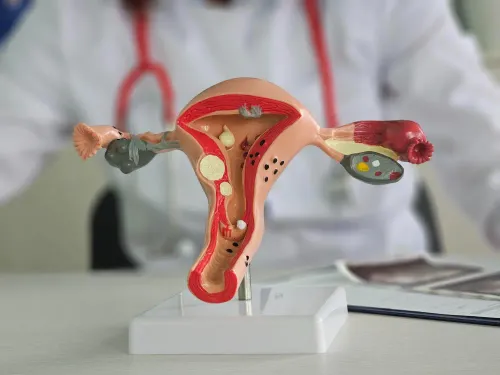
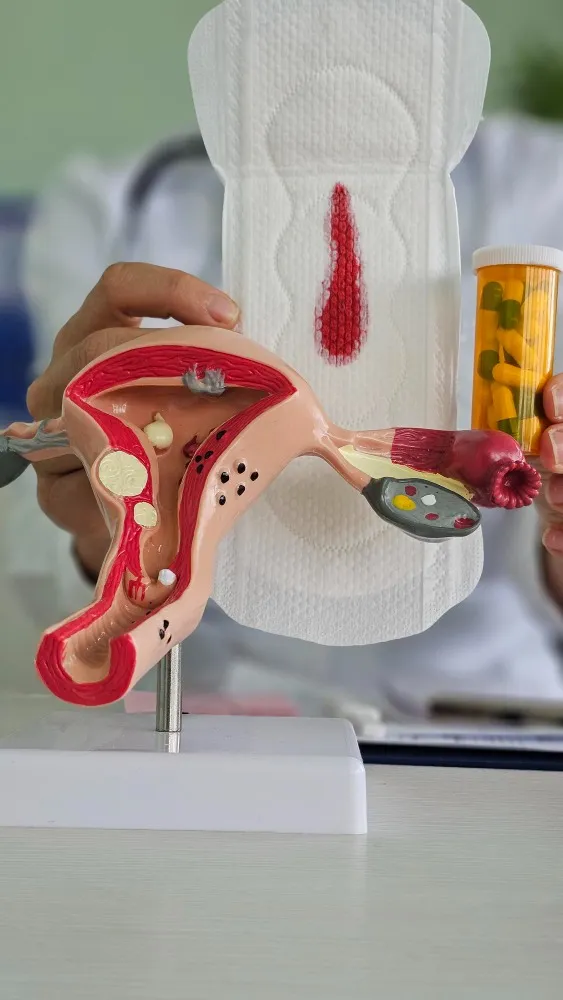
Menstrual cycles are rarely identical every month, and occasional variations are often normal. However, bleeding that is unusually heavy, occurs between periods, lasts much longer than expected, or happens after menopause should never be ignored. Women searching for irregular bleeding treatment in Chinchpokli are often looking for answers about what causes abnormal bleeding and when professional medical care becomes necessary.
Abnormal uterine bleeding can affect women at different stages of life, from adolescence to menopause. While some causes are relatively minor, others require prompt diagnosis and treatment to prevent complications and protect reproductive health.
What Is Considered Irregular Bleeding?
Every woman's menstrual cycle is unique, but certain patterns are considered abnormal.
Irregular bleeding may include:
- Periods occurring less than 21 days apart
- Cycles longer than 35 days
- Heavy menstrual bleeding requiring frequent pad changes
- Bleeding between periods
- Bleeding after sexual intercourse
- Menstrual periods lasting longer than seven days
- Bleeding after menopause
Keeping track of your menstrual cycle can help identify changes that should be discussed with a gynaecologist.
Common Causes of Irregular Bleeding
Abnormal bleeding is a symptom rather than a disease. Identifying the underlying cause is the first step toward effective treatment.
Some common causes include:
- Hormonal imbalances
- Polycystic Ovary Syndrome (PCOS)
- Uterine fibroids
- Endometrial polyps
- Pregnancy-related conditions
- Thyroid disorders
- Certain medications
- Perimenopause and menopause
- Infections affecting the reproductive tract
Each condition requires a different treatment approach, making accurate diagnosis essential.
Symptoms That Should Not Be Ignored
Some women assume that abnormal bleeding will settle on its own. However, certain warning signs require medical evaluation.
Consult a gynaecologist if you experience:
- Extremely heavy periods with large blood clots
- Bleeding that causes dizziness or weakness
- Spotting between menstrual cycles
- Persistent pelvic pain
- Bleeding after menopause
- Recurrent irregular periods
- Bleeding during pregnancy
Early medical attention helps identify serious conditions before they progress.
How Is Irregular Bleeding Diagnosed?
A thorough evaluation begins with understanding your medical history and menstrual pattern.
Your doctor may recommend:
- A detailed physical examination
- Pelvic ultrasound
- Blood tests to assess hormone levels
- Pregnancy test when appropriate
- Pap smear if indicated
- Endometrial evaluation in selected cases
These investigations help determine the exact cause and guide the most suitable treatment plan.
Treatment Depends on the Underlying Cause
There is no single solution for irregular bleeding because management depends on what is causing the problem.
Treatment options may include:
Hormonal Therapy
Hormonal medications are often recommended to regulate menstrual cycles and reduce excessive bleeding caused by hormonal imbalance.
Medication for Underlying Conditions
Treating thyroid disorders, infections, or other medical conditions may restore normal menstrual patterns.
Minimally Invasive Procedures
Some structural conditions, such as polyps or certain fibroids, may require minimally invasive treatment to resolve abnormal bleeding.
Surgical Management
When conservative treatment is not effective or when significant structural abnormalities are present, surgery may be considered based on individual needs.
The treatment plan is always tailored according to age, symptoms, future pregnancy plans, and overall health.
Can Irregular Bleeding Affect Fertility?
In some women, irregular bleeding may indicate ovulation problems or hormonal disorders that can affect fertility. Conditions such as PCOS, thyroid disease, or uterine abnormalities may interfere with conception if left untreated.
Seeking medical advice early can help preserve reproductive health and improve future pregnancy outcomes where fertility is a concern.
Lifestyle Habits That Support Menstrual Health
Healthy daily habits contribute to better hormonal balance and overall reproductive wellness.
Consider the following:
- Maintain a healthy weight
- Eat a balanced diet rich in iron and essential nutrients
- Exercise regularly
- Get sufficient sleep
- Manage stress effectively
- Avoid smoking
- Schedule routine gynaecological check-ups
Although lifestyle changes may not cure every condition, they support better long-term health.
Why Regular Check-Ups Are Important
Many causes of irregular bleeding develop gradually and may not produce severe symptoms initially. Regular gynaecological examinations make it easier to identify hormonal disorders, uterine abnormalities, and other conditions before they become more complicated.
Women living in Chinchpokli benefit from nearby specialist care that makes follow-up appointments and ongoing monitoring more convenient, particularly when investigations or treatment require multiple visits.
Taking Menstrual Changes Seriously
Irregular bleeding should never be dismissed as something every woman simply has to live with. Whether the cause is hormonal, structural, or related to another medical condition, early diagnosis allows for effective treatment and greater peace of mind.
Dr. Vinisha Abhale, Obs and Gynaecologist provides comprehensive assessment and individualized treatment for women experiencing abnormal uterine bleeding and other reproductive health concerns. Through careful evaluation, evidence-based care, and ongoing support, women across Mumbai receive guidance that helps restore menstrual health while protecting their overall well-being.
Keywords