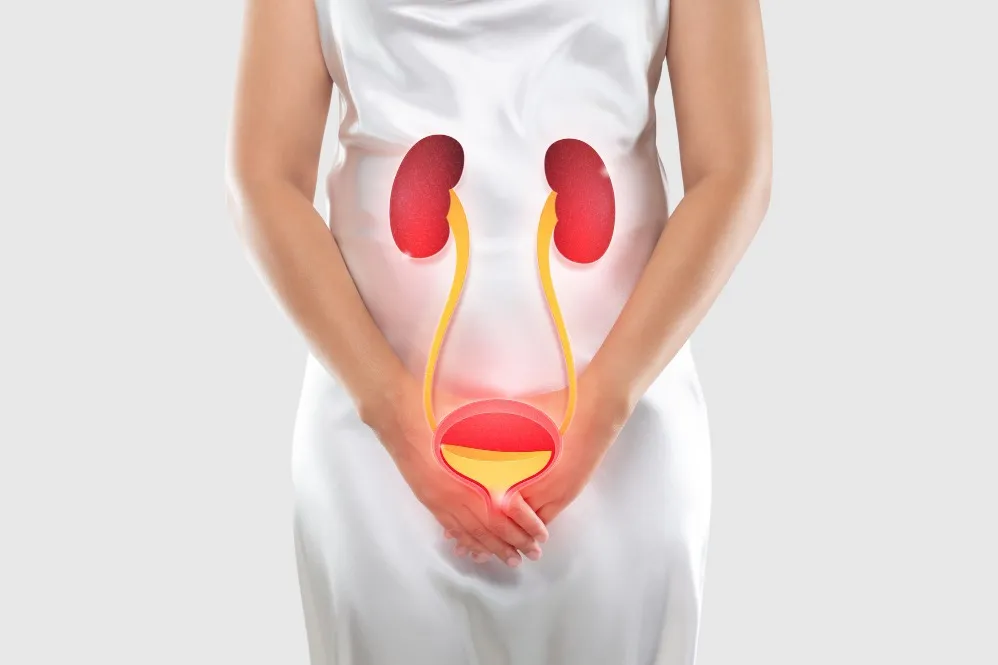
Urinary incontinence is a common condition that affects women of all ages, yet it often goes undiscussed because of embarrassment or the misconception that it is simply a normal part of ageing. While occasional urine leakage may seem minor, frequent episodes can interfere with work, social activities, exercise, and overall quality of life. If you are searching for a urine incontinence specialist in Sewree, understanding the causes and treatment options can help you regain confidence and improve your daily life.
The good news is that urinary incontinence is treatable in many cases. With an accurate diagnosis and personalized care, many women experience significant improvement without having to live with the condition indefinitely.
What Is Urinary Incontinence?
Urinary incontinence refers to the involuntary leakage of urine due to reduced bladder control. It is a symptom rather than a disease and may occur because of weakened pelvic floor muscles, nerve problems, hormonal changes, or underlying medical conditions.
The severity varies from occasional leakage during physical activity to a sudden, uncontrollable urge to urinate before reaching a restroom.
Different Types of Urinary Incontinence
Understanding the type of incontinence helps determine the most effective treatment.
Stress Incontinence
This occurs when pressure on the bladder causes urine leakage. Common triggers include:
- Coughing
- Sneezing
- Laughing
- Running
- Lifting heavy objects
- Exercising
Stress incontinence is often linked to weakened pelvic floor muscles, particularly after pregnancy or childbirth.
Urge Incontinence
Women with urge incontinence experience a sudden and intense need to urinate, often followed by leakage before reaching the toilet.
Mixed Incontinence
Some women experience both stress and urge incontinence, requiring a combination of treatment approaches.
Overflow Incontinence
This type occurs when the bladder does not empty completely, leading to frequent dribbling of urine.
Common Causes in Women
Several factors can contribute to urinary incontinence.
These include:
- Pregnancy and vaginal delivery
- Menopause
- Age-related muscle weakness
- Obesity
- Chronic coughing
- Diabetes
- Pelvic surgery
- Recurrent urinary tract infections
- Neurological disorders
Identifying the exact cause is essential because treatment varies depending on the underlying condition.
Symptoms That Should Prompt a Consultation
Although occasional leakage may not seem serious, recurring symptoms deserve medical evaluation.
Consider visiting a specialist if you experience:
- Leakage while coughing or sneezing
- Frequent urgency to urinate
- Difficulty controlling the bladder
- Night-time urination several times
- Leakage during exercise
- Recurrent urinary tract infections
- Feeling that the bladder never empties completely
Early diagnosis often prevents symptoms from becoming more severe.
How Is Urinary Incontinence Diagnosed?
A thorough evaluation helps identify both the type and cause of bladder control problems.
Your consultation may include:
- Review of your medical history
- Discussion of bladder symptoms
- Physical examination
- Urine analysis
- Bladder diary review
- Ultrasound if indicated
- Urodynamic testing in selected cases
These assessments help develop an individualized treatment plan rather than relying on temporary symptom relief.
Treatment Options for Urinary Incontinence
Most women benefit from conservative treatment before surgery is considered.
Pelvic Floor Exercises
Strengthening the pelvic floor muscles is one of the most effective first-line treatments for stress incontinence. Regularly performed exercises can improve bladder support and reduce urine leakage.
Bladder Training
Women with urge incontinence may benefit from scheduled bladder training techniques that gradually increase the time between bathroom visits.
Lifestyle Modifications
Simple lifestyle changes can significantly improve bladder control.
These include:
- Maintaining a healthy weight
- Limiting caffeine and carbonated drinks
- Staying hydrated without excessive fluid intake
- Managing chronic constipation
- Avoiding smoking
- Following a healthy exercise routine
Medication
Some women benefit from medications that help improve bladder function or reduce urinary urgency.
Surgical Treatment
When conservative methods are not sufficient, surgical procedures may be recommended depending on the severity and type of urinary incontinence.
Can Urinary Incontinence Be Prevented?
Not every case can be prevented, but healthy habits may lower the risk.
Helpful preventive measures include:
- Performing pelvic floor exercises regularly
- Maintaining a healthy body weight
- Treating chronic cough promptly
- Avoiding unnecessary strain during bowel movements
- Seeking medical care after childbirth if symptoms develop
- Attending regular women's health check-ups
Taking these steps supports long-term pelvic health and bladder function.
Why Timely Treatment Is Important
Ignoring urinary incontinence can affect more than physical comfort. Many women begin limiting travel, exercise, social events, and even workplace activities because of fear of leakage.
Prompt treatment may help:
- Improve confidence
- Reduce daily discomfort
- Prevent worsening symptoms
- Support better sleep
- Enhance overall quality of life
Seeking professional advice early often leads to simpler and more effective management.
Choosing a Nearby Specialist
Women living in Sewree often prefer consulting a nearby specialist because urinary incontinence may require follow-up visits, pelvic floor rehabilitation, or ongoing assessment. Easy access to care makes it more convenient to stay consistent with treatment and monitor progress over time.
Restoring Comfort and Confidence
Urinary incontinence is a medical condition—not something women simply have to accept. With the right diagnosis and treatment, many women regain bladder control and return to their normal routines with greater confidence.
Dr. Vinisha Abhale, Obs and Gynaecologist offers comprehensive evaluation and personalized treatment for urinary incontinence and other pelvic health concerns. By identifying the root cause and recommending evidence-based treatment options, she helps women across Mumbai improve bladder health, restore confidence, and enjoy a better quality of life through compassionate and individualized care.
Keywords