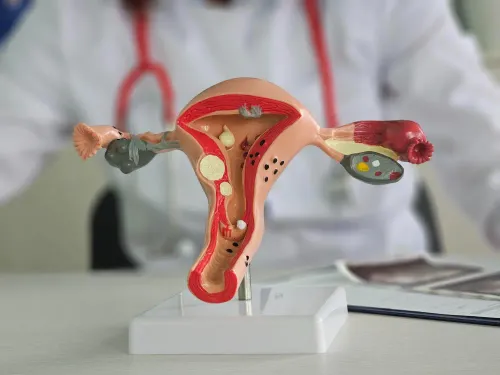

A Pap smear is one of the most effective screening tests for protecting women's reproductive health. Despite its importance, many women postpone or avoid the test because they have no symptoms, feel anxious about the procedure, or are unsure when they should be screened. If you are searching for a Pap smear clinic in Cottongreen, understanding the purpose of this simple test can help you make informed decisions about preventive healthcare.
Unlike diagnostic tests performed after symptoms appear, a Pap smear is designed to identify abnormal cervical cell changes before they develop into more serious conditions. Regular screening plays a vital role in the early detection and prevention of cervical cancer.
What Is a Pap Smear?
A Pap smear, also called a Pap test, is a routine screening procedure used to examine cells collected from the cervix, which is the lower part of the uterus connecting to the vagina.
The primary purpose of the test is to detect:
- Abnormal cervical cell changes
- Precancerous lesions
- Early signs of cervical cancer
- Certain infections that may require further evaluation
When detected early, cervical abnormalities can often be treated successfully before they progress.
Who Should Have a Pap Smear?
Screening recommendations vary depending on age, medical history, and previous test results.
In general, women should discuss Pap smear screening with their gynaecologist if they:
- Are 21 years or older
- Are sexually active
- Have a history of abnormal Pap smear results
- Have a weakened immune system
- Have risk factors for cervical cancer
The frequency of testing depends on individual health needs and should always follow your doctor's recommendation.
Why Is Regular Screening Important?
One of the biggest challenges with cervical abnormalities is that they often develop without noticeable symptoms.
Regular Pap smear screening helps:
- Detect abnormal cells early
- Reduce the risk of cervical cancer
- Identify changes before symptoms appear
- Guide timely treatment if necessary
- Provide reassurance when results are normal
Preventive screening is often far more effective than waiting until symptoms develop.
Does the Test Hurt?
Many women worry that a Pap smear will be painful. In reality, the procedure is usually quick and causes only mild discomfort for most patients.
During the examination:
- A speculum is gently inserted into the vagina.
- A small brush or spatula collects cervical cells.
- The sample is sent to a laboratory for analysis.
The procedure usually takes only a few minutes and does not require hospital admission.
How Should You Prepare for a Pap Smear?
A few simple precautions can help improve the accuracy of the test.
Your doctor may advise you to:
- Schedule the test when you are not menstruating
- Avoid sexual intercourse for 24–48 hours beforehand
- Avoid vaginal medications unless prescribed
- Refrain from using vaginal douches or hygiene products before the test
Following these recommendations helps ensure that the collected sample is suitable for laboratory evaluation.
Understanding Your Pap Smear Results
Receiving your results can sometimes feel stressful, but an abnormal report does not automatically mean cancer.
Possible outcomes include:
Normal Results
No abnormal cervical cells are detected, and routine screening continues according to your doctor's advice.
Minor Cell Changes
Some women develop mild cellular changes that may simply require repeat testing after a recommended interval.
Abnormal Findings
Further evaluation, such as HPV testing or colposcopy, may be advised to determine the cause of the abnormality.
Your gynaecologist will explain the results clearly and recommend appropriate follow-up if required.
The Role of HPV in Cervical Health
Persistent infection with certain types of Human Papillomavirus (HPV) is one of the leading causes of cervical cancer.
Although HPV infections are common, not every infection causes disease. Regular screening helps detect cervical changes early, allowing treatment before cancer develops.
In many cases, your doctor may recommend HPV vaccination and regular screening as part of a comprehensive cervical health plan.
Healthy Habits That Support Cervical Health
Preventive care extends beyond routine screening.
Women can support their reproductive health by:
- Attending regular gynaecological check-ups
- Practising safe sexual health
- Avoiding tobacco use
- Maintaining a healthy immune system
- Receiving HPV vaccination if appropriate
- Following recommended screening schedules
These measures work together to reduce long-term health risks.
Why Choosing a Nearby Screening Centre Matters
Women living in Cottongreen often prefer nearby healthcare facilities for routine preventive screenings because appointments are easier to schedule and follow-up visits become more convenient if additional evaluation is required.
Having accessible preventive care encourages women to stay consistent with recommended health screenings rather than delaying them due to busy schedules.
Prioritising Preventive Women's Healthcare
A Pap smear is a simple test that can have a lasting impact on a woman's health. Regular screening helps identify cervical changes early, providing the opportunity for timely treatment and significantly reducing the risk of serious disease.
Dr. Vinisha Abhale, Obs and Gynaecologist offers comprehensive cervical screening and preventive women's healthcare for patients across Mumbai. Through personalized consultations, evidence-based recommendations, and compassionate care, she helps women take proactive steps toward protecting their reproductive health and maintaining long-term well-being.
Keywords